Sleep hygiene refers to the habits and practices that are conducive to sleeping well on a regular basis. While it might seem like quality sleep should come naturally, many of us have developed habits that interfere with our body's ability to rest and recover. The good news? Small changes to your daily routine can lead to dramatically better sleep.
Why Sleep Hygiene Matters
Poor sleep hygiene can lead to a cascade of negative effects on your health and daily life. Chronic sleep deprivation is linked to increased risk of obesity, heart disease, diabetes, and mental health issues. On the flip side, practicing good sleep hygiene can improve immune function, enhance memory and cognitive performance, and boost mood and emotional well-being.
10 Tips for Better Sleep
1. Maintain a Consistent Sleep Schedule
Your body's internal clock, or circadian rhythm, thrives on consistency. Going to bed and waking up at the same time every day, even on weekends, helps regulate your sleep-wake cycle.
Action step: Set a consistent bedtime and wake time, allowing for 7-9 hours of sleep. Use an alarm for both if needed.
2. Create a Relaxing Bedtime Routine
A calming pre-sleep routine signals to your body that it's time to wind down. This could include activities like:
- Taking a warm bath or shower
- Reading a book (physical, not on a screen)
- Practicing gentle stretching or yoga
- Listening to calming music or nature sounds
- Meditation or deep breathing exercises
Action step: Start your wind-down routine 30-60 minutes before bed.
3. Optimize Your Sleep Environment
Your bedroom should be a sleep sanctuary. Consider these factors:
- Temperature: Keep your room cool, ideally between 65-68°F (18-20°C)
- Darkness: Use blackout curtains or a sleep mask
- Quiet: Use earplugs or a white noise machine if needed
- Comfort: Invest in a quality mattress and pillows
Action step: Audit your bedroom and make one improvement this week.
4. Limit Screen Time Before Bed
The blue light emitted by phones, tablets, computers, and TVs suppresses melatonin production, making it harder to fall asleep.
Action step: Put away electronic devices at least 1 hour before bedtime. If you must use them, enable night mode or blue light filters.
5. Watch Your Caffeine Intake
Caffeine can stay in your system for 8-10 hours. Even if you can fall asleep after drinking coffee in the evening, the caffeine may reduce the quality of your deep sleep.
Action step: Avoid caffeine after 2 PM, or at least 6 hours before your bedtime.
6. Be Mindful of Alcohol
While alcohol might help you fall asleep initially, it disrupts sleep later in the night. It reduces REM sleep, increases bathroom trips, and can worsen sleep apnea and snoring.
Action step: If you choose to drink, limit alcohol and finish at least 3-4 hours before bed.
7. Exercise Regularly, But Time It Right
Regular physical activity can improve sleep quality and duration. However, vigorous exercise too close to bedtime can be stimulating.
Action step: Aim for at least 30 minutes of moderate exercise most days, but finish workouts 3-4 hours before bed.
8. Mind Your Meals
Going to bed too hungry or too full can interfere with sleep. Heavy, rich meals within a few hours of bed can cause discomfort and indigestion.
Action step: Finish eating 2-3 hours before bed. If you need a bedtime snack, choose something light like a small portion of nuts or yogurt.
9. Limit Naps
While napping can be beneficial, long or late-day naps can interfere with nighttime sleep.
Action step: If you nap, keep it to 20-30 minutes and before 3 PM.
10. Manage Stress and Worry
An active mind is one of the biggest barriers to good sleep. Racing thoughts and anxiety can keep you awake for hours.
Action step: Try keeping a worry journal by your bed. Write down concerns and tomorrow's to-do list to clear your mind. Practice relaxation techniques like progressive muscle relaxation or guided imagery.
When Sleep Hygiene Isn't Enough
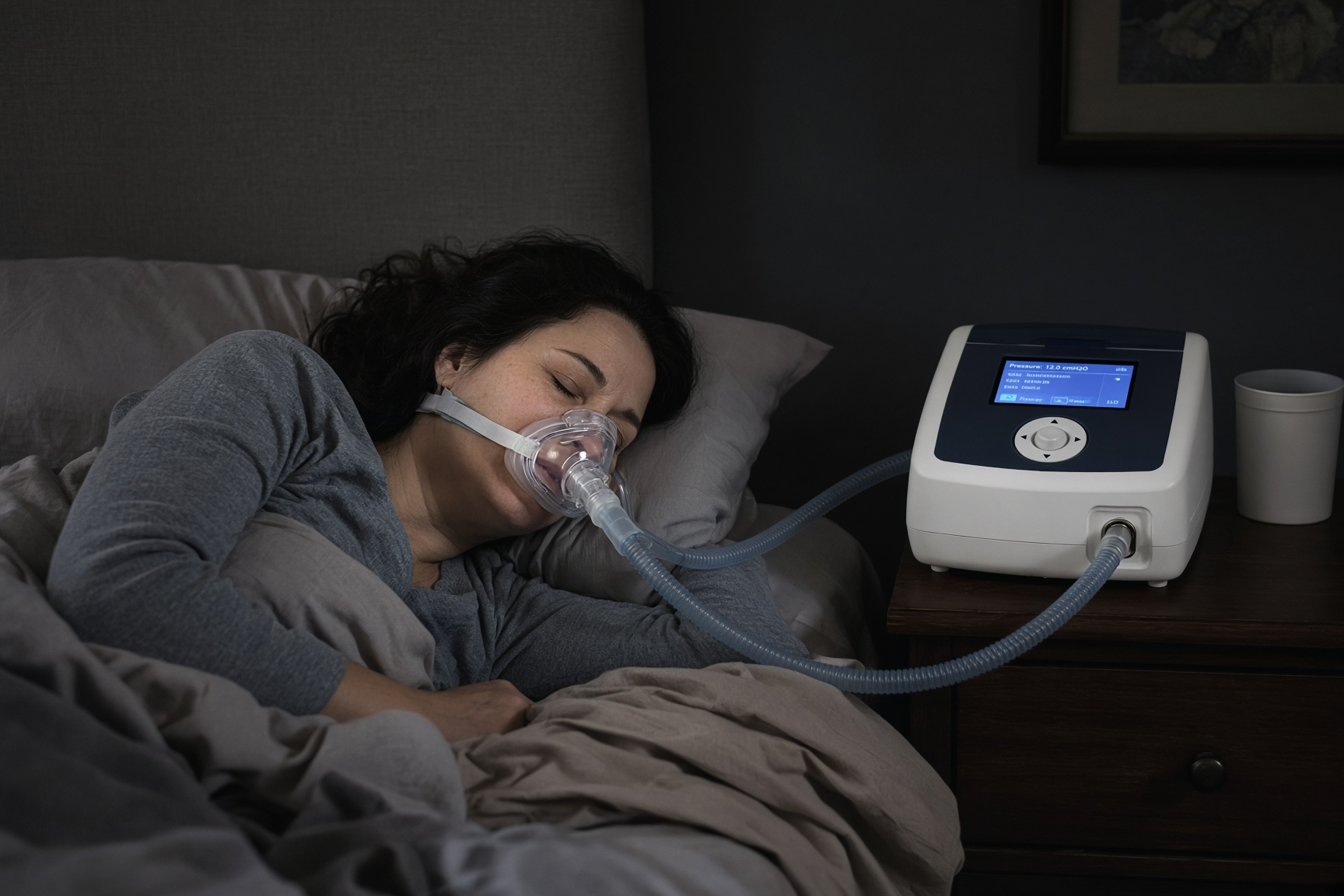
If you've implemented these strategies consistently for several weeks and still struggle with sleep, it may be time to consult a sleep specialist. Underlying sleep disorders like insomnia, sleep apnea, or restless leg syndrome require professional evaluation and treatment.
"Good sleep is not just about quantity, it's about quality. Creating the right conditions for sleep is one of the most important investments you can make in your health."
Start Tonight
You don't have to implement all these changes at once. Pick one or two tips that resonate with you and focus on those first. Small, consistent changes often lead to the most lasting improvements.
Remember, better sleep is within your reach. Take the first step tonight, and your body and mind will thank you tomorrow.
Written by
Daniel Marin
Sharing insights on sleep health and wellness to help you achieve better rest and improved quality of life.