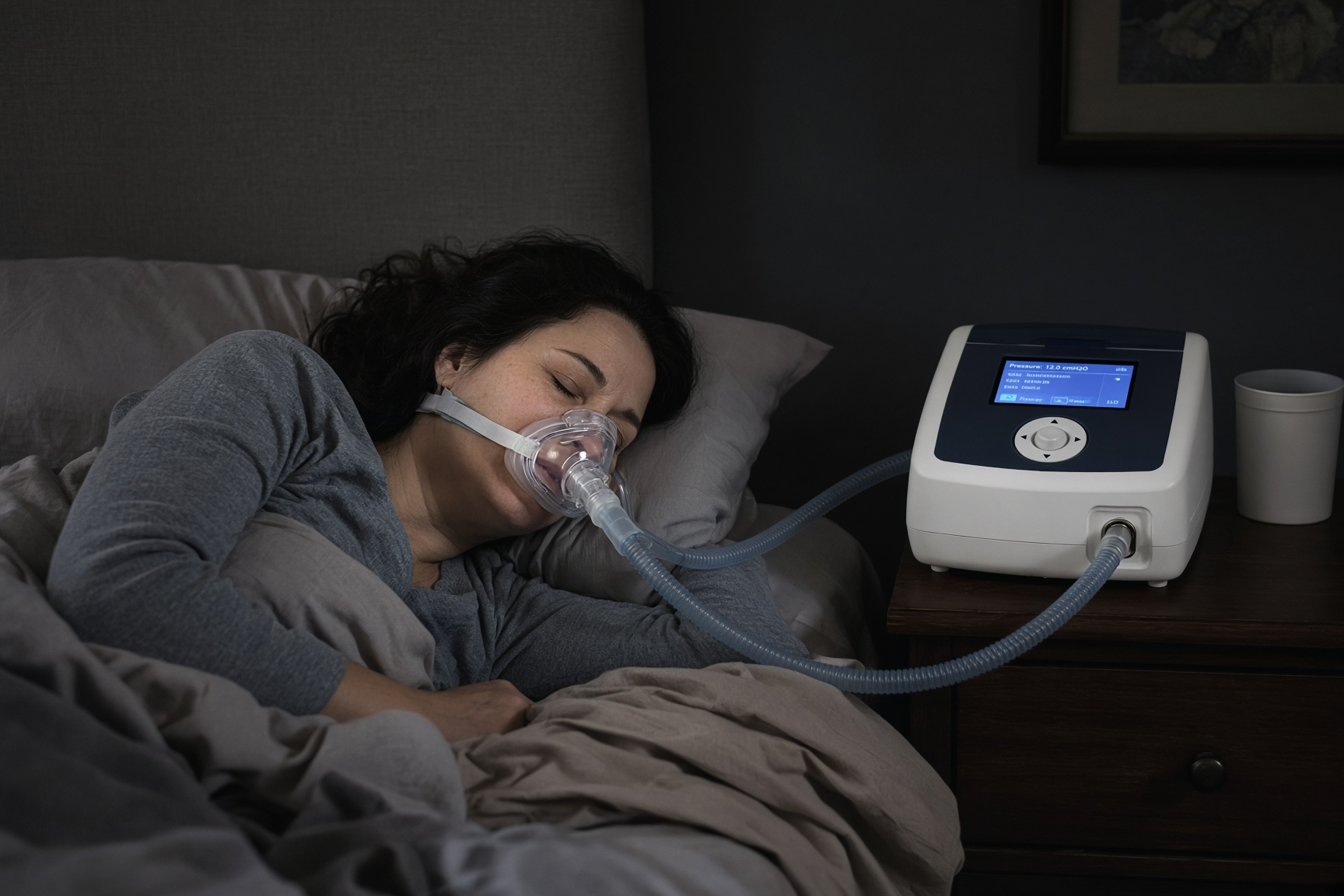
Every night, while you think you're sleeping, untreated sleep apnea is doing damage.
Your breathing stops. Your oxygen drops. Your brain jolts you awake just enough to gasp for air. Then you drift back toward sleep, and it happens again. And again. Thirty, fifty, sometimes a hundred times per hour, all night long, night after night.
You might not remember any of it. But your body does.
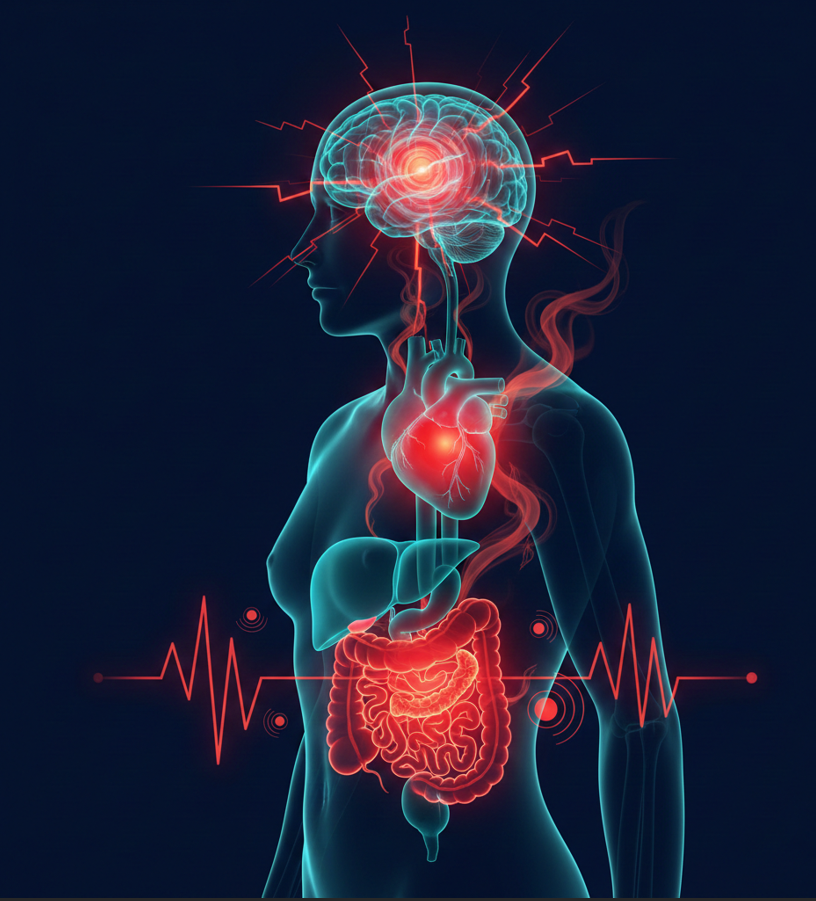
The consequences of untreated sleep apnea extend far beyond daytime tiredness. This disorder systematically damages three of your most vital systems: your brain, your cardiovascular system, and your metabolism. Understanding what's happening inside your body can be the motivation you need to seek diagnosis and treatment, before the damage becomes harder to reverse.
What Happens During Each Apnea Event
To understand the downstream effects, you need to understand what your body experiences during every breathing pause.
When your airway collapses and breathing stops:
-
Oxygen levels plummet. Without airflow, blood oxygen saturation drops, sometimes dramatically, from a normal 95-100% down to 80% or lower.
-
Carbon dioxide builds up. The waste gas that should be exhaled accumulates in your bloodstream.
-
Your brain senses danger. Chemoreceptors detect the changing blood gases and trigger an emergency response.
-
Stress hormones surge. Cortisol, adrenaline, and other stress hormones flood your system.
-
Your heart races. Blood pressure spikes as your cardiovascular system responds to the perceived emergency.
-
You wake up, briefly. Your brain arouses you just enough to restore muscle tone to your airway. You gasp, take a few breaths, and drift back toward sleep.
-
The cycle repeats. Sometimes within seconds.
In severe sleep apnea, this happens 30 or more times per hour. That's a minimum of 240 physiological emergencies every night. Your body never gets to truly rest, and the cumulative stress takes a toll.
Part 1: What Sleep Apnea Does to Your Brain
Your brain is exquisitely sensitive to oxygen. It represents only 2% of your body weight but consumes 20% of your oxygen supply. When that supply is repeatedly interrupted, consequences follow.
Structural Brain Changes
Neuroimaging studies have revealed that people with untreated sleep apnea show measurable changes in brain structure:
Gray matter loss. Research published in Sleep found reduced gray matter volume in regions responsible for memory, emotional regulation, and executive function. The areas most affected include the hippocampus (memory), frontal cortex (decision-making), and insular cortex (autonomic control).
White matter damage. The connections between brain regions show signs of injury. Studies using diffusion tensor imaging have found compromised white matter integrity in multiple brain areas of sleep apnea patients.
Hippocampal shrinkage. The hippocampus, critical for forming new memories, is particularly vulnerable. One study found that people with severe sleep apnea had hippocampal volumes 10% smaller than healthy controls.
These aren't subtle findings visible only under a microscope. They're measurable structural changes that correlate with cognitive symptoms.
Cognitive Impairment
The brain changes translate into real-world cognitive problems:
Memory deficits. Both short-term and long-term memory suffer. People with untreated sleep apnea have difficulty forming new memories and retrieving existing ones. This can manifest as forgetting conversations, misplacing items, or struggling to learn new information.
Attention and concentration problems. The ability to sustain focus deteriorates. Tasks requiring prolonged attention become more difficult, and distractibility increases.
Executive dysfunction. Higher-order cognitive functions, planning, organizing, problem-solving, decision-making, are impaired. This affects work performance and daily life functioning.
Slowed processing speed. Mental processing becomes slower. Reaction times increase, which has implications for driving safety and workplace performance.
Increased Dementia Risk
Perhaps most concerning is the growing evidence linking untreated sleep apnea to dementia and Alzheimer's disease.
Research published in the American Journal of Respiratory and Critical Care Medicine found that women with sleep apnea were twice as likely to develop cognitive impairment or dementia over a five-year period compared to those without sleep apnea.
The mechanisms likely involve:
- Chronic intermittent hypoxia damaging neurons over time
- Disrupted sleep architecture preventing the brain from clearing metabolic waste (including beta-amyloid, the protein associated with Alzheimer's)
- Inflammation that promotes neurodegeneration
- Vascular damage that compromises blood flow to the brain
The glymphatic system, the brain's waste-clearance mechanism, operates primarily during deep sleep. When sleep apnea fragments sleep and prevents deep sleep stages, this cleanup process is impaired. Toxic proteins that should be cleared may accumulate instead.
Mood and Mental Health
The brain regions affected by sleep apnea overlap significantly with those involved in emotional regulation.
Depression. People with sleep apnea are two to three times more likely to experience depression. The relationship is bidirectional, sleep apnea contributes to depression, and depression can worsen sleep.
Anxiety. Generalized anxiety and panic symptoms are elevated in sleep apnea patients. Nighttime awakenings with a racing heart can trigger or worsen anxiety disorders.
Irritability and emotional dysregulation. The combination of sleep deprivation and brain changes leads to a shorter fuse, mood swings, and difficulty managing emotions.
For many people, these mood symptoms are the most noticeable consequence of their sleep apnea, even if they don't realize the connection.
The Good News: Brain Recovery
The encouraging finding from research is that many of these brain changes appear to be at least partially reversible with treatment.
Studies have shown that consistent CPAP use leads to:
- Improved gray matter density over time
- Better white matter integrity
- Restored cognitive function on neuropsychological testing
- Reduced depression and anxiety symptoms
The brain has remarkable plasticity. When you remove the nightly assault of hypoxia and fragmented sleep, healing can begin.
Part 2: What Sleep Apnea Does to Your Heart
While sleep apnea damages the brain slowly over years, its effects on the cardiovascular system can be more immediate, and potentially life-threatening.
The Nightly Cardiovascular Assault
Each apnea event is a cardiovascular stress test your body didn't sign up for:
- Blood pressure spikes 20-30 mmHg or more with each arousal
- Heart rate fluctuates wildly between pauses and resumption of breathing
- Oxygen desaturation strains the heart muscle
- Intrathoracic pressure swings from trying to breathe against a closed airway
Multiply this by hundreds of events per night, every night, and the cumulative strain is enormous.
Hypertension
High blood pressure is the most common cardiovascular consequence of sleep apnea. The relationship is so strong that sleep apnea is considered a leading cause of secondary hypertension.
The numbers: People with moderate to severe sleep apnea have a threefold higher risk of developing hypertension. Up to 50% of people with high blood pressure have sleep apnea, and 70-85% of those with treatment-resistant hypertension have apnea.
Why it happens: The repeated sympathetic activation during apnea events keeps the nervous system in overdrive even during waking hours. Blood vessels lose their ability to relax properly. The hormonal systems that regulate blood pressure become dysregulated.
The pattern: Sleep apnea often causes a distinctive blood pressure pattern, loss of the normal overnight "dip" and elevated morning blood pressure. Some people with sleep apnea have blood pressure that's actually higher when they wake up than when they went to bed.
Heart Attack and Coronary Artery Disease
Sleep apnea increases heart attack risk through multiple mechanisms:
- Chronic hypertension damages arteries
- Inflammation promotes atherosclerosis (plaque buildup)
- Oxidative stress from repeated oxygen drops injures vessel walls
- Increased blood clotting tendency raises thrombosis risk
- Acute hemodynamic swings can rupture vulnerable plaques
Studies have found that people with sleep apnea have approximately 70% higher risk of coronary heart disease events. And the timing is notable: while heart attacks in the general population peak in the morning hours, people with sleep apnea have increased risk during the night, while apnea events are occurring.
Stroke
Sleep apnea roughly doubles the risk of stroke. The mechanisms parallel those for heart attack:
- Hypertension is the single greatest stroke risk factor
- Atrial fibrillation (often caused by apnea) promotes blood clots that can travel to the brain
- Inflammation and endothelial dysfunction affect cerebral blood vessels
- Nocturnal oxygen desaturation may trigger acute events
The relationship between sleep apnea and stroke is also bidirectional. Sleep apnea increases stroke risk, and stroke often causes or worsens sleep apnea, creating a dangerous feedback loop that impairs recovery.
Atrial Fibrillation
The heart rhythm disorder atrial fibrillation (AFib) is strongly associated with sleep apnea. People with sleep apnea have four times the risk of developing AFib compared to those without.
The mechanisms include:
- Structural changes to the heart from pressure swings
- Autonomic nervous system instability
- Inflammation affecting the heart's electrical system
- Repeated oxygen drops altering cardiac cells
Critically, untreated sleep apnea makes AFib harder to manage. Studies show higher AFib recurrence after cardioversion and lower success rates with ablation procedures in patients with untreated apnea.
Heart Failure
Sleep apnea contributes to heart failure development through:
- Years of hypertension causing the heart to enlarge and weaken
- Direct damage from hypoxia and pressure swings
- Neurohormonal activation that promotes cardiac remodeling
Once heart failure develops, sleep apnea, particularly central sleep apnea, often worsens. The failing heart triggers abnormal breathing patterns that further fragment sleep and strain the cardiovascular system. An estimated 50-75% of heart failure patients have sleep-disordered breathing.
Sudden Cardiac Death
People with severe sleep apnea have higher rates of sudden cardiac death during sleeping hours, the opposite of the general population, where cardiac death most commonly occurs in the morning. This suggests that apnea events may directly trigger fatal arrhythmias.
Part 3: What Sleep Apnea Does to Your Metabolism
Beyond the brain and heart, sleep apnea profoundly disrupts metabolism, the chemical processes that convert food into energy and regulate body weight.
Insulin Resistance and Type 2 Diabetes
Sleep apnea is independently associated with insulin resistance, meaning your cells don't respond properly to insulin, leading to elevated blood sugar.
The numbers: Studies suggest that sleep apnea doubles the risk of developing type 2 diabetes, independent of obesity. Among people already diagnosed with diabetes, sleep apnea is present in up to 80%.
Why it happens:
- Sleep fragmentation impairs glucose metabolism
- Intermittent hypoxia directly affects pancreatic beta cells
- Sympathetic activation promotes insulin resistance
- Elevated cortisol raises blood sugar
- Inflammation interferes with insulin signaling
The treatment effect: Research has shown that CPAP therapy can improve insulin sensitivity and glycemic control in some patients, particularly those who use it consistently and have more severe apnea.
Weight Gain and Difficulty Losing Weight
Sleep apnea and obesity have a complex, bidirectional relationship. Obesity is a major risk factor for sleep apnea, but sleep apnea also makes it harder to lose weight and may actively promote weight gain.
Hormonal disruption: Sleep deprivation affects the hormones that regulate hunger and satiety. Leptin (which signals fullness) decreases, while ghrelin (which stimulates appetite) increases. The result is increased hunger and cravings, particularly for high-calorie foods.
Reduced energy expenditure: Fatigue from sleep apnea reduces physical activity. People with untreated apnea are less likely to exercise and more likely to be sedentary.
Metabolic adaptation: Some research suggests that the metabolic dysfunction from sleep apnea makes the body more efficient at storing fat and more resistant to weight loss efforts.
This creates a frustrating cycle: obesity worsens sleep apnea, and sleep apnea makes obesity harder to address.
Fatty Liver Disease
Non-alcoholic fatty liver disease (NAFLD) is significantly more common in people with sleep apnea. The intermittent hypoxia appears to directly promote fat accumulation in the liver and accelerate progression to more serious liver disease.
Studies have found that severity of sleep apnea correlates with severity of liver disease, and that treating sleep apnea may improve liver enzymes and reduce liver fat.
Dyslipidemia
Sleep apnea is associated with abnormal cholesterol levels:
- Higher total cholesterol
- Higher LDL ("bad") cholesterol
- Higher triglycerides
- Lower HDL ("good") cholesterol
This unfavorable lipid profile adds to the cardiovascular risk already elevated by hypertension and inflammation.
Metabolic Syndrome
Metabolic syndrome, the cluster of conditions including abdominal obesity, high blood pressure, elevated blood sugar, and abnormal cholesterol, is strongly associated with sleep apnea. Some researchers have proposed that sleep apnea should be considered a component of metabolic syndrome, given how frequently they co-occur and mutually reinforce each other.
The Cumulative Burden
These three domains, brain, heart, and metabolism, don't exist in isolation. They interact and amplify each other:
- Metabolic dysfunction worsens cardiovascular disease
- Cardiovascular disease impairs brain blood flow
- Cognitive impairment makes it harder to manage chronic conditions
- Depression reduces motivation for lifestyle changes
- Weight gain worsens all of the above
Untreated sleep apnea sits at the center of this web, driving dysfunction in multiple systems simultaneously.
The Case for Treatment
The evidence for harm from untreated sleep apnea is compelling. But equally important is the evidence that treatment works.
Consistent CPAP use has been shown to:
- Lower blood pressure, especially in resistant hypertension
- Improve cardiac function and reduce AFib recurrence
- Restore cognitive function and brain structure
- Improve insulin sensitivity and glycemic control
- Reduce daytime sleepiness and improve quality of life
- Decrease depression and anxiety symptoms
The key word is consistent. Benefits require actually using treatment, typically 4 or more hours per night to see meaningful improvements. Suboptimal use yields suboptimal results.
For those who can't tolerate CPAP, oral appliances, positional therapy, weight loss, and surgery offer alternatives. The goal is finding a treatment that works for you, and using it.
The Bottom Line
Sleep apnea is not "just snoring." It's not a minor inconvenience to be shrugged off. It's a serious medical condition that, left untreated, damages your brain, strains your heart, and disrupts your metabolism in ways that compound over time.
The nightly assault of oxygen drops, stress hormone surges, and fragmented sleep takes a toll that extends far beyond feeling tired during the day. It increases your risk of dementia, heart attack, stroke, diabetes, and early death.
But here's what matters: these consequences are largely preventable. Treatment works. Every night you use CPAP or another effective therapy is a night your brain, heart, and metabolism can begin to heal.
If you suspect you have sleep apnea, or you've been diagnosed but haven't started treatment, the time to act is now. The longer sleep apnea goes untreated, the more damage accumulates. The sooner you treat it, the more you can protect.
Don't wait for symptoms to become consequences. Use our sleep clinic directory to find an accredited sleep center near you and take the first step toward protecting your brain, your heart, and your health.
Is your weight affecting your sleep?
As this article covers, the relationship between weight and sleep runs in both directions, and excess weight is one of the most common risk factors for sleep apnea specifically. HealSend offers doctor-prescribed GLP-1 weight loss treatment, with clinician-led care delivered to your door. Talk to your sleep doctor about whether weight loss could be part of your treatment plan.
See if you qualifyAdvertising disclosure: this is a paid partnership. We may earn a commission if you sign up through this link, at no extra cost to you.
Written by
Daniel Marin
Sharing insights on sleep health and wellness to help you achieve better rest and improved quality of life.