You've decided to do something about your sleep. Maybe your doctor referred you to a sleep clinic. Maybe you searched online and found half a dozen options within driving distance. Now you're trying to figure out which one to choose, and the websites all look reassuringly professional, so it's not obvious how to tell them apart.
The difference matters. Sleep medicine spans a wide range of conditions and treatments, and the expertise, equipment, and follow-up care vary considerably from one clinic to the next. A clinic that handles sleep apnea beautifully may have no one on staff who can diagnose narcolepsy. A clinic with a good diagnostic lab may rush patients out the door without meaningful follow-up. Choosing well at the start saves you from repeating tests, switching providers mid-treatment, and, most importantly, spending more time without answers.
These seven questions cut through the surface-level similarities and get to what actually matters.
Question 1: Is the Clinic Accredited by the AASM?
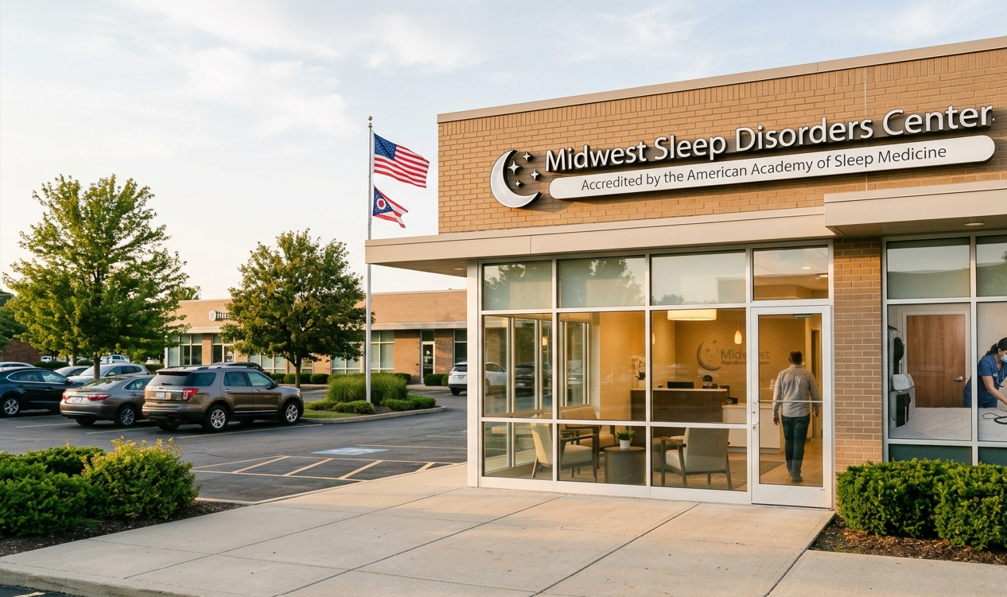
This is the most important single question. The American Academy of Sleep Medicine (AASM) accredits sleep centers and home sleep testing programs that meet rigorous standards for facility quality, staff credentials, testing protocols, and patient care. Accreditation is not automatic or cosmetic; it requires a detailed application, documentation, and periodic review.
Why it matters: AASM accreditation means the lab's sleep studies are performed and scored according to established standards. This affects the reliability of your results. A polysomnography scored inconsistently is worse than useless; it produces numbers that may lead to the wrong diagnosis or treatment. For the Multiple Sleep Latency Test (MSLT) used to diagnose narcolepsy, protocol compliance is especially critical: a single deviation (wrong medication washout, insufficient prior sleep) can produce a false negative that delays diagnosis by years.
How to verify: The AASM maintains a public directory of accredited sleep centers at sleepeducation.org/sleep-center-locator. If a clinic is not listed, ask directly why not, and weigh the answer carefully.
Clinics that market themselves as "sleep centers" without accreditation are not necessarily bad, but you are taking on more uncertainty about the quality of the work.
Question 2: Are the Physicians Board-Certified in Sleep Medicine?
Accreditation covers the facility. This question covers the doctors.
Sleep medicine is a recognized subspecialty requiring additional training and a board examination beyond a primary specialty (internal medicine, neurology, psychiatry, pediatrics, or otolaryngology). Physicians who pass the exam hold subspecialty certification in sleep medicine from their respective board, such as the American Board of Internal Medicine or the American Board of Psychiatry and Neurology.
Why it matters: A physician who completed general training and decided to "do sleep" without subspecialty certification may handle straightforward sleep apnea adequately. But diagnosing narcolepsy, managing RLS augmentation, treating complex insomnia, or navigating co-existing conditions requires depth that the board exam is specifically designed to verify. Board certification is the credential that signals you're seeing someone with recognized expertise, not just interest.
How to check: Ask the clinic directly whether their interpreting physicians are board-certified in sleep medicine. You can also verify certification through the American Board of Medical Specialties at certificationmatters.org.
A related question: does the same physician who interprets your sleep study also manage your ongoing care? Continuity matters in sleep medicine, where treatment often requires adjustment over time.
Question 3: What Sleep Disorders Does the Clinic Treat?
Sleep medicine covers a broad spectrum. Some clinics are essentially sleep apnea and CPAP operations, which is completely legitimate if that's what you need. Others have the range to handle narcolepsy, insomnia, restless legs syndrome, parasomnias, circadian rhythm disorders, and pediatric sleep disorders.
Why it matters: You may not know yet what condition you have. If you walk in with a vague chief complaint of "I'm always exhausted," the right clinic will consider the full differential. A clinic with a narrow focus may fit your symptoms into the mold it knows best.
Questions to ask:
- Do you have a behavioral sleep medicine specialist or psychologist on staff for CBT-I?
- Do you evaluate and treat RLS and periodic limb movement disorder?
- Do you perform MSLTs for narcolepsy workups?
- Do you treat pediatric patients, if relevant?
- Do you have a dental sleep medicine partner or referral network for oral appliance therapy?
A clinic confident in its range will answer these readily. Hesitation or vague answers are informative.
Question 4: What Testing Options Are Available?
Both in-lab sleep studies (polysomnography) and home sleep apnea tests (HSATs) serve important roles, and the right tool depends on your situation. A good clinic offers both and knows when each is appropriate.
In-lab polysomnography is required for narcolepsy workups (MSLT must follow an overnight PSG), for diagnosing periodic limb movement disorder, for CPAP titration, and for complex or medically complicated cases. It is also the right choice when a home test has come back negative but symptoms persist.
Home sleep testing is appropriate for straightforward suspected obstructive sleep apnea in otherwise healthy patients. It is cheaper, more convenient, and for the right patient, just as informative.
Questions to ask:
- Do you perform in-lab polysomnography, or only home sleep tests?
- Do you offer split-night studies (diagnosis and CPAP titration in one night)?
- If I need a CPAP titration or an MSLT, can that be done here?
A clinic that only offers home sleep tests will serve you fine for uncomplicated suspected apnea. But if your case is at all complex, or turns out to be something other than simple obstructive apnea, you don't want to discover mid-workup that they can't do the next step.
Question 5: What Does Follow-Up Care Look Like?
The sleep study is the beginning, not the end. What happens after the results come in is where most of the value is created, and where many clinics fall short.
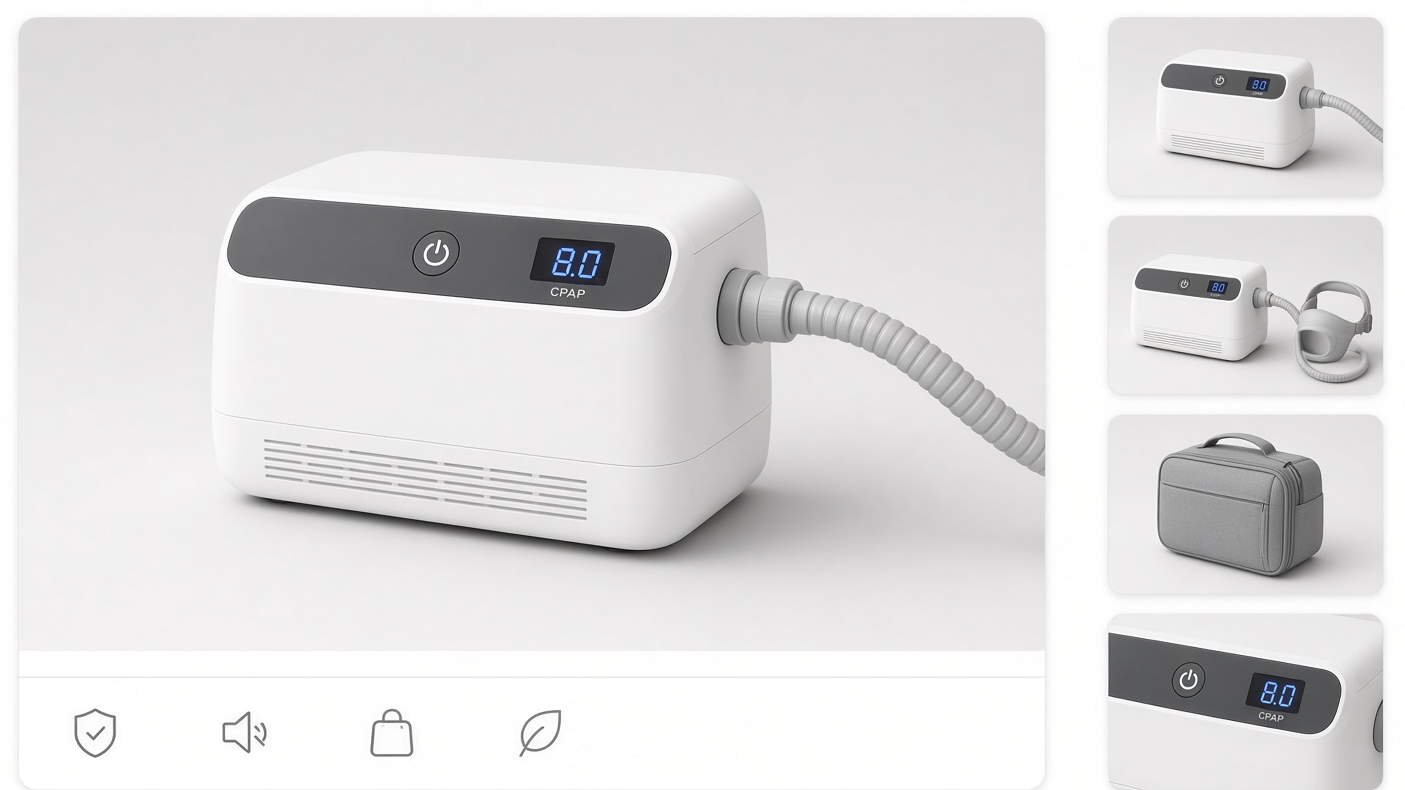
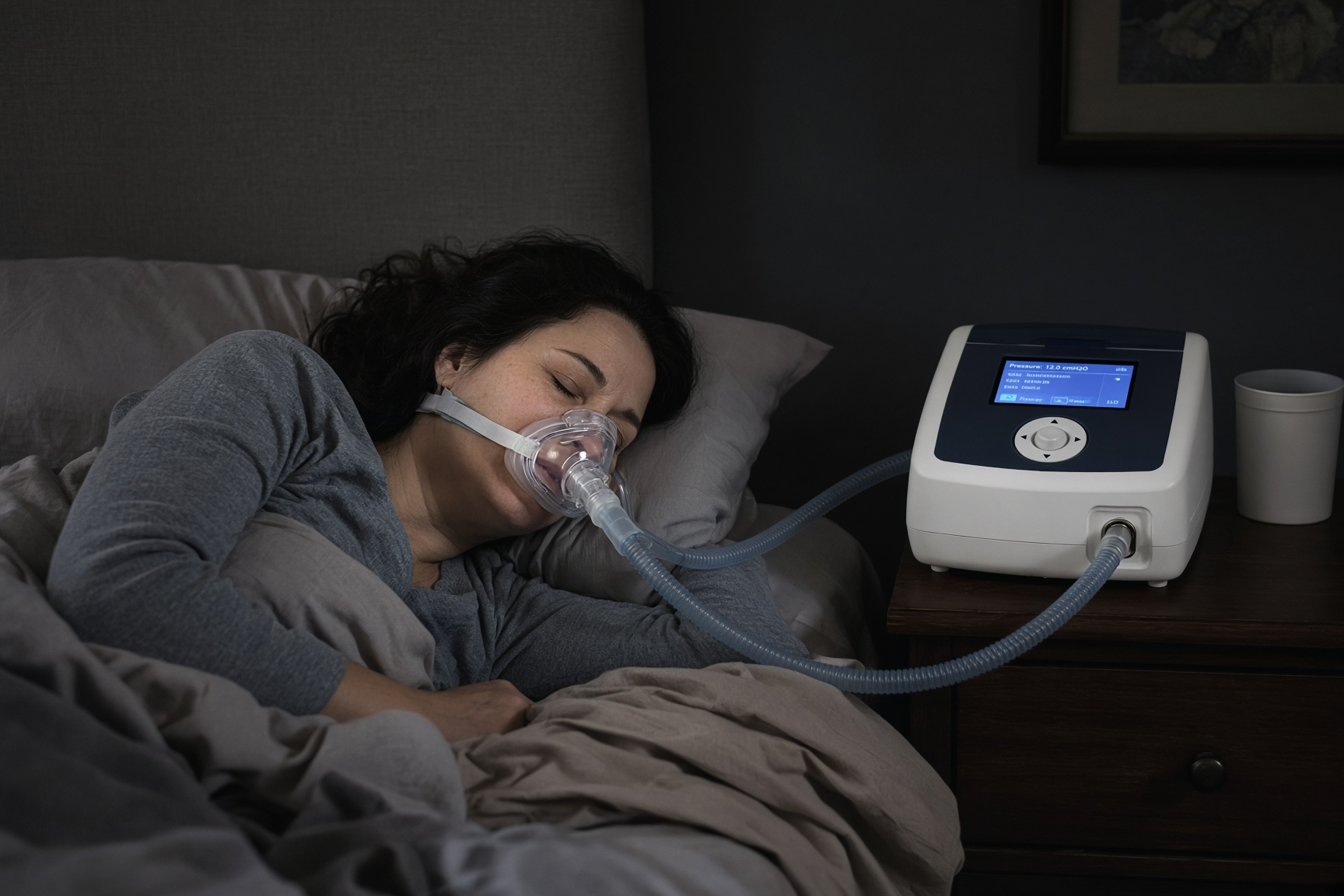
For sleep apnea: Are you handed a CPAP machine and sent home, or does someone follow up to ensure you're tolerating it, using it consistently, and actually benefiting? CPAP adherence rates are notoriously poor in the first months, and support during that window dramatically affects long-term outcomes.
For insomnia: Does the clinic offer CBT-I with a trained behavioral sleep specialist, or only medication?
For narcolepsy and RLS: Medication management requires follow-up, dose adjustment, and monitoring for side effects like augmentation in RLS or tolerance in stimulant use. Is that support built in?
Questions to ask:
- How do you follow up after my sleep study results?
- If I'm prescribed CPAP, who helps me with mask fitting and initial troubleshooting?
- Do you have a CPAP compliance program or a dedicated CPAP support team?
- If medication is prescribed, how frequently will I be seen for follow-up?
- How accessible is the team if I have questions between appointments?
A clinic that treats the diagnostic step as the transaction and follow-up as an afterthought will leave you managing a chronic condition largely on your own.
Question 6: Does the Clinic Accept My Insurance?
Sleep studies and specialist visits can be expensive. In-lab polysomnography can run from $1,000 to $5,000 or more before insurance. CPAP equipment, home sleep tests, and follow-up visits add to the total. Knowing your coverage in advance prevents surprises.
What to confirm before booking:
- Is the clinic in-network with your insurance plan?
- Does your insurer require a referral or prior authorization for a sleep study?
- If both in-lab and home testing are available, which does your insurer prefer for initial evaluation (many require the home test first for suspected apnea)?
- What is your deductible status, and what out-of-pocket costs can you expect?
Most clinics have a billing or insurance coordinator who can answer these questions, and it's worth taking 10 minutes to confirm before scheduling rather than after receiving a bill.
One nuance: being out of network doesn't automatically rule a clinic out, particularly if it has specialized expertise you can't find in-network. But go in with eyes open about what you'll owe.
Question 7: How Long Is the Wait, and How Is the Clinic to Work With?
This question is more practical than clinical, but it matters.
A three-month wait for an initial appointment is common at high-demand clinics, and sometimes worth it for the right specialist. But for a straightforward suspected apnea workup, a reasonable wait at a solid local clinic beats a long delay at a prestigious one.
Beyond scheduling, pay attention to how the clinic communicates during the booking process. Are phone calls returned promptly? Is the staff able to answer basic questions about their services and protocols? Is it easy to get your records sent and received?
These logistical signals reflect the practice's organization and patient-centeredness. A clinic that is hard to reach before you're a patient tends to be hard to reach after.
Practical things to ask or note:
- What is the typical wait for a new patient appointment?
- How quickly are sleep study results interpreted and communicated (days? weeks?)?
- Is telemedicine available for follow-up visits?
- How do you communicate results, through a patient portal, by phone, or by letter?
Putting It Together: A Pre-Booking Checklist
Before you confirm an appointment, you should be able to answer yes to these:
- The clinic is AASM-accredited (or you have a clear reason for choosing one that isn't)
- The interpreting physicians are board-certified in sleep medicine
- The clinic treats the range of conditions that might apply to your situation
- The testing options match what you may need
- You understand what follow-up care looks like
- You've confirmed insurance coverage and estimated out-of-pocket costs
- The wait time is acceptable and the clinic was easy to communicate with
You don't need to interrogate every clinic with a formal questionnaire. Most of this information is available on the clinic's website, through a brief call, or by asking your referring doctor. But being an informed patient at the front end of the process puts you in a much better position for what follows.
The Right Clinic Makes the Difference
Sleep disorders are chronic conditions that often require ongoing management, not just a one-time diagnosis. The clinic you choose becomes a partner in that process. The right one will identify your condition accurately, treat it appropriately, and support you through the adjustments that real-world treatment always requires.
The wrong one will run a test, hand you a report, and leave you to figure out the rest on your own.
The questions above give you the tools to tell the difference before you spend a night in the lab or a night lying awake waiting for results.
Ready to find accredited sleep clinics near you? Use our sleep clinic directory to search by location and find centers that meet the standards that matter.
Written by
Daniel Marin
Sharing insights on sleep health and wellness to help you achieve better rest and improved quality of life.