For decades, sleep apnea has been portrayed as a condition affecting overweight, middle-aged men who snore loudly. That stereotype has shaped how doctors think about the disorder, and it's left millions of women undiagnosed and untreated.
The reality is that sleep apnea affects women at far higher rates than previously understood. Recent research suggests that up to 1 in 5 women has some form of obstructive sleep apnea, yet women are diagnosed at a fraction of the rate of men. The diagnostic gap isn't because women don't have sleep apnea. It's because their symptoms often look different, and the medical community has been slow to catch up.
The Diagnostic Gender Gap
Studies consistently show that women with sleep apnea wait longer for a diagnosis, are more likely to be misdiagnosed with other conditions, and often have more severe disease by the time they finally receive appropriate care.
A landmark study in the European Respiratory Journal found that women with sleep apnea waited an average of seven years from symptom onset to diagnosis, compared to two years for men. Another study in the Journal of Clinical Sleep Medicine found that women were initially misdiagnosed with depression, anemia, or hypothyroidism at significantly higher rates.
Why does this happen? The answer lies in how sleep apnea presents differently in women, and how the classic diagnostic criteria were developed primarily from studies of men.
How Sleep Apnea Symptoms Differ in Women
The "textbook" symptoms of sleep apnea, loud snoring, witnessed breathing pauses, and gasping awake, were identified largely through research on male patients. Women with sleep apnea often present with a different constellation of symptoms that don't fit the classic picture.
Symptoms More Common in Women
Fatigue rather than sleepiness. Men with sleep apnea typically report feeling sleepy, struggling to stay awake during the day. Women more often describe a pervasive fatigue: feeling exhausted, drained, and lacking energy, even when they don't feel the urge to nap.
Insomnia symptoms. Women with sleep apnea frequently report difficulty falling asleep, staying asleep, or waking up too early. This leads many to receive an insomnia diagnosis without anyone investigating whether breathing problems are fragmenting their sleep.
Morning headaches. While both sexes can experience morning headaches from sleep apnea, women report this symptom at higher rates. The headaches are often attributed to migraines or tension headaches rather than investigated as a potential sign of sleep-disordered breathing.
Mood disturbances. Depression, anxiety, and mood swings are significantly more common presenting symptoms in women with sleep apnea. Unfortunately, these symptoms are often treated with antidepressants or anti-anxiety medications without a sleep evaluation.
Lighter or less frequent snoring. Women with sleep apnea often snore less loudly or less consistently than men. Some don't snore at all, or only snore in certain sleep positions. Because loud snoring is considered the hallmark symptom, women who snore quietly, or whose snoring isn't disruptive to a partner, may not raise red flags.
The Symptom Presentation Problem
When a man goes to his doctor and says "I snore loudly and I'm exhausted," sleep apnea is often the first thing that comes to mind. When a woman says "I'm tired all the time, I can't sleep well, and I feel anxious," the response is more likely to be a prescription for a sleep aid or antidepressant.
This isn't because doctors don't care, it's because the diagnostic frameworks they learned were built on male presentations of the disease.
Hormonal Factors: Why Women's Risk Changes Over Time
Hormones play a significant role in sleep apnea risk, which is why a woman's likelihood of developing the condition changes throughout her life.
Before Menopause
Premenopausal women have significantly lower rates of sleep apnea than men of the same age. Estrogen and progesterone appear to have protective effects:
- Progesterone stimulates breathing and helps maintain airway muscle tone during sleep
- Estrogen influences where the body stores fat, keeping it away from the upper airway
These hormonal protections mean that premenopausal women who do develop sleep apnea often have other significant risk factors or anatomical predispositions.
Menopause and Beyond
After menopause, sleep apnea rates in women rise dramatically. By age 65, the prevalence is nearly equal between men and women. The loss of protective hormones leads to:
- Changes in fat distribution, including more upper-body and neck fat
- Reduced airway muscle tone during sleep
- Changes in breathing control during sleep
Research from the Sleep Heart Health Study found that postmenopausal women not on hormone replacement therapy had rates of sleep apnea comparable to men.
Pregnancy
Pregnancy increases sleep apnea risk due to weight gain, fluid retention, and hormonal changes. Sleep apnea during pregnancy is associated with serious complications including gestational diabetes, preeclampsia, and adverse fetal outcomes. Yet pregnant women are rarely screened for sleep-disordered breathing.
Why Standard Screening Tools Miss Women
The questionnaires doctors use to screen for sleep apnea were developed and validated primarily in male populations. Tools like the STOP-BANG questionnaire ask about:
- Snoring loudly
- Tiredness/sleepiness during the day
- Observed breathing pauses
- Pressure (high blood pressure)
- BMI over 35
- Age over 50
- Neck circumference over 16 inches
- Gender: male
Notice that being male is literally a scoring criterion. A woman who snores quietly, experiences fatigue rather than sleepiness, and has no bed partner to witness breathing pauses could have significant sleep apnea and still score low on this screening tool.
Studies have confirmed that STOP-BANG and similar questionnaires have lower sensitivity in women, meaning they miss a substantial proportion of female patients who actually have the condition.
Conditions Often Misdiagnosed Instead of Sleep Apnea
Women with undiagnosed sleep apnea frequently carry other diagnoses that may be either incorrect or incomplete. Common misdiagnoses include:
Depression. The fatigue, low mood, difficulty concentrating, and loss of interest that accompany sleep apnea overlap significantly with depression symptoms. Many women receive antidepressants for years before anyone investigates their sleep.
Chronic fatigue syndrome. Persistent, unexplained fatigue is the core symptom of both conditions. Without a sleep study, it's impossible to know whether disrupted breathing is the cause.
Fibromyalgia. Research has found that a significant percentage of women diagnosed with fibromyalgia have undiagnosed sleep apnea. The chronic pain, fatigue, and cognitive difficulties of fibromyalgia can be caused or worsened by sleep-disordered breathing.
Hypothyroidism. Fatigue, weight gain, and cognitive sluggishness prompt thyroid testing, and if levels are borderline, treatment may begin without considering sleep apnea.
Insomnia. When women report difficulty sleeping, the assumption is often primary insomnia. Sleep aids or cognitive behavioral therapy for insomnia may be prescribed without investigating whether apnea events are causing the awakenings.
Anxiety disorders. Nighttime awakenings with a racing heart or sense of panic can be anxiety, or they can be arousals from apnea events.
What Women Should Know About Getting Diagnosed
If you suspect you might have sleep apnea, here's how to advocate for yourself effectively.
Track Your Symptoms Specifically
Before your appointment, keep a log of your symptoms for at least two weeks. Note:
- How you feel upon waking (headaches, dry mouth, fatigue)
- Energy levels throughout the day
- Any snoring (ask a partner, or use a smartphone app)
- How often you wake during the night
- Mood changes, difficulty concentrating, memory issues
Having specific, documented symptoms makes it harder for concerns to be dismissed.
Ask Directly for a Sleep Evaluation
Don't wait for your doctor to suggest it. Say explicitly: "I'm concerned I may have sleep apnea and I'd like to be evaluated with a sleep study." Be prepared to explain why, mention that you've learned sleep apnea presents differently in women and that you have symptoms consistent with the condition.
Don't Let Mild Snoring Rule It Out
If a doctor says "you probably don't have sleep apnea because you don't snore loudly," push back. Explain that research shows women with sleep apnea often snore less than men or not at all. The absence of dramatic snoring does not exclude the diagnosis.
Consider a Home Sleep Test
Home sleep tests are increasingly accurate and can detect moderate to severe sleep apnea. They're more convenient than in-lab studies and may be easier to obtain. However, they can miss milder cases, so if your home test is negative but you're still symptomatic, request an in-lab polysomnography.
Seek a Sleep Specialist
Primary care physicians may not be up to date on how sleep apnea presents in women. A board-certified sleep medicine specialist is more likely to recognize atypical presentations and order appropriate testing.
Why Getting Diagnosed Matters
Untreated sleep apnea doesn't just cause fatigue, it carries serious long-term health consequences:
- Cardiovascular disease: Women with untreated sleep apnea have significantly elevated risks of hypertension, heart attack, stroke, and heart failure.
- Metabolic dysfunction: Sleep apnea is strongly linked to insulin resistance and type 2 diabetes.
- Cognitive decline: Chronic intermittent hypoxia damages brain tissue over time.
- Mental health: The depression and anxiety associated with sleep apnea often improve dramatically with treatment.
For women already managing other health conditions, undiagnosed sleep apnea may be making everything harder to control.
Treatment Works, When You Can Access It
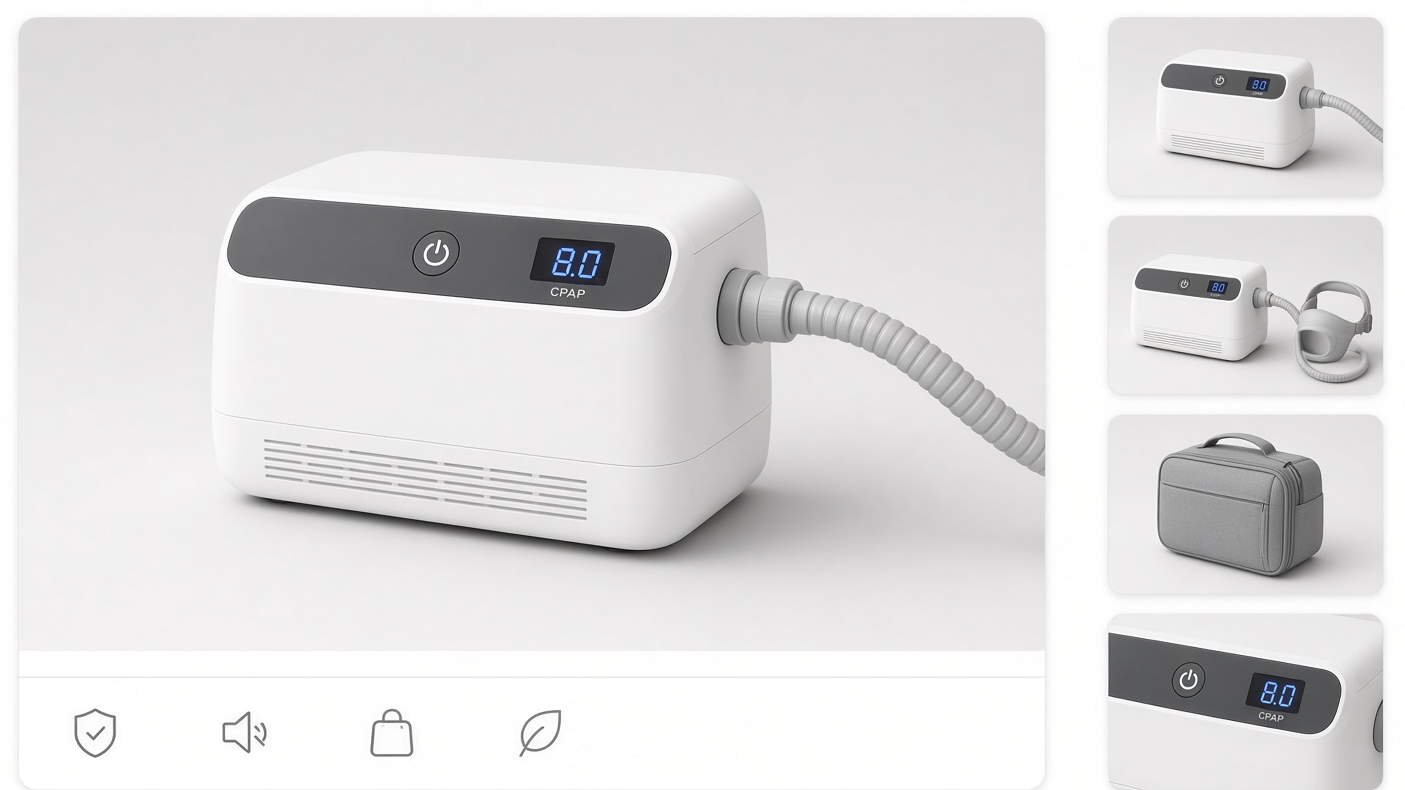
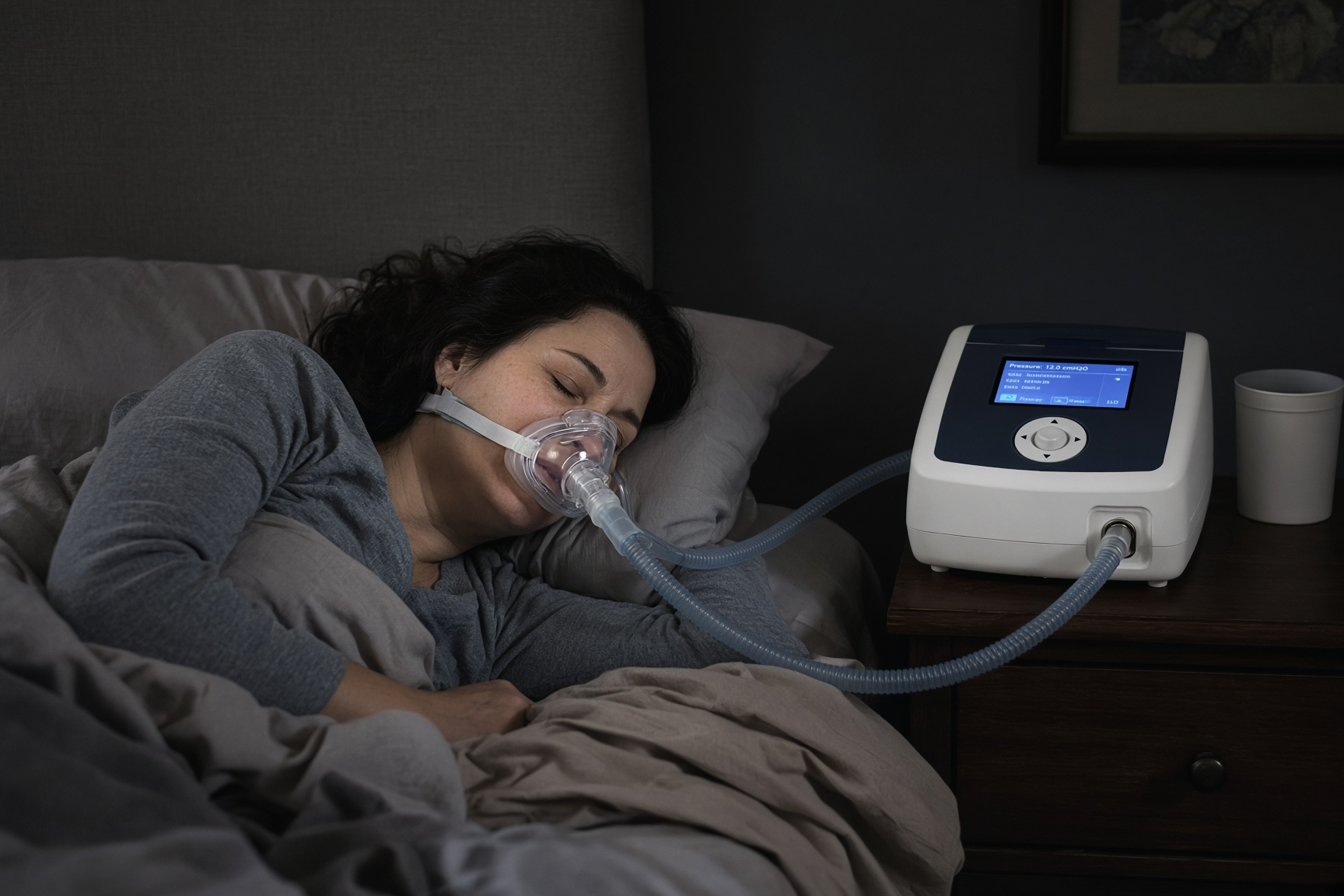
The good news is that sleep apnea treatment is highly effective. CPAP therapy remains the gold standard, and modern devices are quieter, smaller, and more comfortable than ever. Oral appliances are an excellent option for mild to moderate cases. Lifestyle modifications, positional therapy, and in some cases surgery can also help.
Many women report that successful treatment feels like "getting their life back", finally having energy, thinking clearly, and waking up feeling rested for the first time in years.
But treatment requires diagnosis. And diagnosis requires awareness, both from patients and from the medical professionals they see.
The Bottom Line
Sleep apnea in women is underdiagnosed not because it's rare, but because it looks different. If you're experiencing chronic fatigue, insomnia, morning headaches, mood changes, or any combination of these symptoms, sleep apnea deserves to be on the list of possibilities, especially if you're perimenopausal, postmenopausal, or have other risk factors.
Don't let outdated stereotypes keep you from getting answers. If you suspect sleep apnea, advocate for a sleep evaluation. Your health is worth the persistence.
Ready to find a sleep specialist? Use our sleep clinic directory to locate an accredited sleep center near you and take the first step toward diagnosis and treatment.
Is your weight affecting your sleep?
As this article covers, the relationship between weight and sleep runs in both directions, and excess weight is one of the most common risk factors for sleep apnea specifically. HealSend offers doctor-prescribed GLP-1 weight loss treatment, with clinician-led care delivered to your door. Talk to your sleep doctor about whether weight loss could be part of your treatment plan.
See if you qualifyAdvertising disclosure: this is a paid partnership. We may earn a commission if you sign up through this link, at no extra cost to you.
Written by
Daniel Marin
Sharing insights on sleep health and wellness to help you achieve better rest and improved quality of life.