An estimated 30 million Americans have obstructive sleep apnea, yet roughly 80% of them have never been diagnosed. That means millions of people are living with a treatable condition that silently chips away at their health every single night.
The challenge? Most sleep apnea symptoms happen while you're unconscious. You can't observe your own breathing pauses, and the daytime effects are easy to brush off as stress, aging, or just "not being a morning person." Knowing what to look for is the critical first step toward diagnosis and treatment.
Here are 10 warning signs that could mean you're living with sleep apnea.
1. Loud, Persistent Snoring
Not all snorers have sleep apnea, and not everyone with sleep apnea snores, but loud, chronic snoring is the single most common red flag. Sleep apnea snoring tends to be:
- Loud enough to be heard through a closed door
- Worse when sleeping on your back
- Punctuated by silent pauses followed by gasps or choking sounds
If a bed partner, roommate, or family member has commented on your snoring, take it seriously. Research published in the Journal of Clinical Sleep Medicine shows that snoring intensity correlates with sleep apnea severity.
Key distinction: Simple snoring is steady and rhythmic. Sleep apnea snoring is irregular, with periods of silence (the actual apnea events) broken by loud gasps.
2. Witnessed Breathing Pauses During Sleep
This is the hallmark symptom, and the one that most often sends people to a doctor. A bed partner notices that you stop breathing for several seconds, sometimes followed by a loud snort or gasp as breathing resumes.
These episodes, called apneas, can last 10 seconds or longer and may occur dozens or even hundreds of times per night. Many people only learn about this symptom because someone else witnessed it.
What to do: If someone has told you that you stop breathing in your sleep, schedule an appointment with a sleep specialist. This single symptom is enough to warrant evaluation.
3. Excessive Daytime Sleepiness
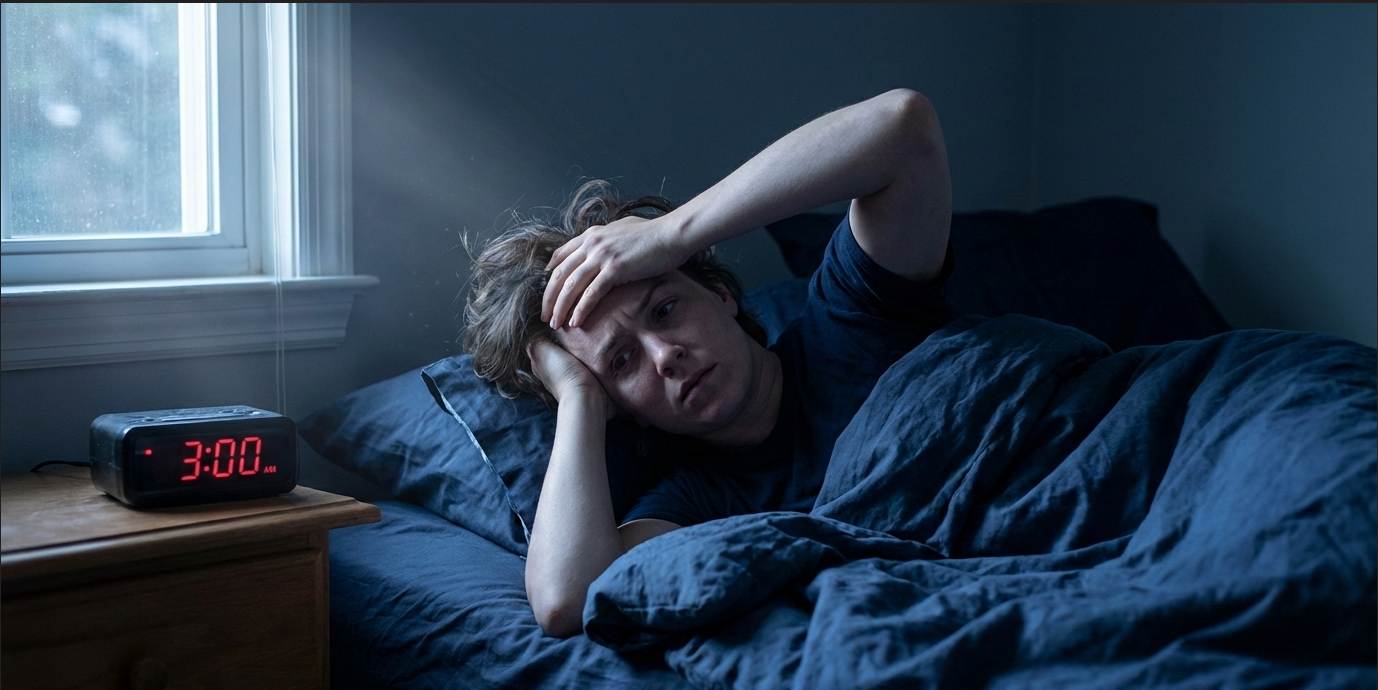
Feeling tired despite spending seven or eight hours in bed is one of the most disruptive symptoms of sleep apnea. The repeated breathing interruptions prevent you from reaching and maintaining the deep, restorative stages of sleep your body needs.
This isn't ordinary tiredness. People with untreated sleep apnea often describe:
- Fighting to stay awake during meetings, while reading, or while watching TV
- Falling asleep within minutes of sitting down
- Needing multiple alarms to wake up
- Feeling "foggy" or unrested no matter how early they go to bed
The Epworth Sleepiness Scale is a simple questionnaire sleep specialists use to measure daytime sleepiness. A score above 10 (out of 24) suggests excessive sleepiness that may be caused by a sleep disorder.
4. Morning Headaches
Waking up with a dull, pressing headache, typically across the forehead, is reported by up to 50% of people with sleep apnea. These headaches are caused by fluctuations in oxygen and carbon dioxide levels during repeated breathing pauses overnight.
Sleep apnea headaches tend to:
- Occur upon waking and fade within a few hours
- Feel like a band of pressure rather than a sharp or throbbing pain
- Happen on most mornings, not just occasionally
- Not respond well to typical headache medications
If you experience frequent morning headaches without an obvious cause, sleep apnea should be on the list of possibilities, especially if you have other symptoms on this list.
5. Waking Up Gasping or Choking
Some people with sleep apnea wake themselves up with a sudden sensation of choking, shortness of breath, or panic. This happens when an apnea event is severe enough to trigger a full arousal from sleep rather than just a brief micro-awakening.
These episodes can be frightening. People sometimes describe feeling like they "forgot how to breathe" or woke up unable to catch their breath. While occasional episodes can have other explanations, frequent nighttime awakenings with gasping or choking are strongly associated with obstructive sleep apnea.
6. Dry Mouth or Sore Throat Upon Waking
When your airway is partially or fully blocked during sleep, your body compensates by breathing through your mouth. Hours of open-mouth breathing leads to:
- A dry, parched mouth when you wake up
- A raw or sore throat in the morning
- Cracked or chapped lips
If you consistently wake up feeling like you haven't had water in days, it may be more than dehydration, it could be a sign that your airway is obstructed during sleep.
7. Difficulty Concentrating and Memory Problems
Sleep apnea fragments your sleep architecture, reducing the time you spend in REM sleep and deep slow-wave sleep, the stages critical for memory consolidation and cognitive function.
Over time, people with untreated sleep apnea often notice:
- Trouble focusing on tasks or conversations
- Forgetting things they would normally remember
- Difficulty making decisions
- Slower reaction times
Studies from the American Journal of Respiratory and Critical Care Medicine have shown that severe sleep apnea can cause measurable changes in brain structure, particularly in areas associated with memory and executive function. The encouraging news is that many of these cognitive effects are reversible with consistent treatment.
8. Mood Changes, Irritability, and Depression
Chronic sleep disruption takes a significant toll on emotional regulation. People with undiagnosed sleep apnea frequently experience:
- Increased irritability and a shorter temper
- Feelings of anxiety, especially around bedtime
- Symptoms of depression, including low motivation and withdrawal
- Emotional reactivity, overreacting to minor frustrations
Research shows that people with sleep apnea are two to three times more likely to be diagnosed with depression. What's important to understand is that in many cases, the mood symptoms improve or resolve entirely once sleep apnea is treated, suggesting the sleep disorder was the root cause, not a separate condition.
9. Frequent Nighttime Urination (Nocturia)
Waking up two or more times per night to use the bathroom is a surprisingly common, and frequently overlooked, symptom of sleep apnea. The connection isn't immediately obvious, but here's how it works:
When breathing stops during an apnea event, the body experiences increased pressure in the chest cavity. This triggers the heart to release a hormone called atrial natriuretic peptide (ANP), which signals the kidneys to produce more urine.
Many people attribute frequent nighttime urination to aging, prostate issues, or drinking too much water before bed. While those factors can play a role, studies have found that treating sleep apnea with CPAP therapy can reduce nocturia episodes by up to 50%.
10. Decreased Libido and Sexual Dysfunction
Sleep apnea can affect sexual health in both men and women. The combination of chronic fatigue, hormonal disruption, and reduced oxygen levels can lead to:
- Reduced interest in sex
- Erectile dysfunction in men
- Hormonal imbalances, including lower testosterone levels
A study in the Journal of Sexual Medicine found that men with sleep apnea were significantly more likely to report erectile dysfunction, and that treatment with CPAP led to measurable improvement. If you've noticed changes in your libido or sexual function alongside other symptoms on this list, sleep apnea could be a contributing factor.
Who Is Most at Risk?
While sleep apnea can affect anyone, including children, certain factors increase your risk:
- Excess weight: The most significant risk factor. Fat deposits around the upper airway narrow the breathing passage.
- Neck circumference: A neck larger than 17 inches (men) or 16 inches (women) is associated with higher risk.
- Age: Risk increases with age, particularly after 40.
- Gender: Men are two to three times more likely to develop sleep apnea, though risk in women increases after menopause.
- Family history: Sleep apnea has a genetic component.
- Smoking: Smokers are three times more likely to have obstructive sleep apnea.
- Alcohol and sedative use: These relax the muscles that keep the airway open.
When to See a Sleep Specialist
You don't need all 10 symptoms to warrant an evaluation. If you recognize two or more of the signs described above, especially loud snoring combined with daytime sleepiness or witnessed breathing pauses, it's time to talk to a sleep medicine professional.
A sleep study (polysomnography) is the standard diagnostic test. It can be performed overnight at an accredited sleep center or, in many cases, at home with a portable monitoring device. The test is painless and provides your doctor with detailed data about your breathing, oxygen levels, and sleep stages.
The Good News: Sleep Apnea Is Treatable
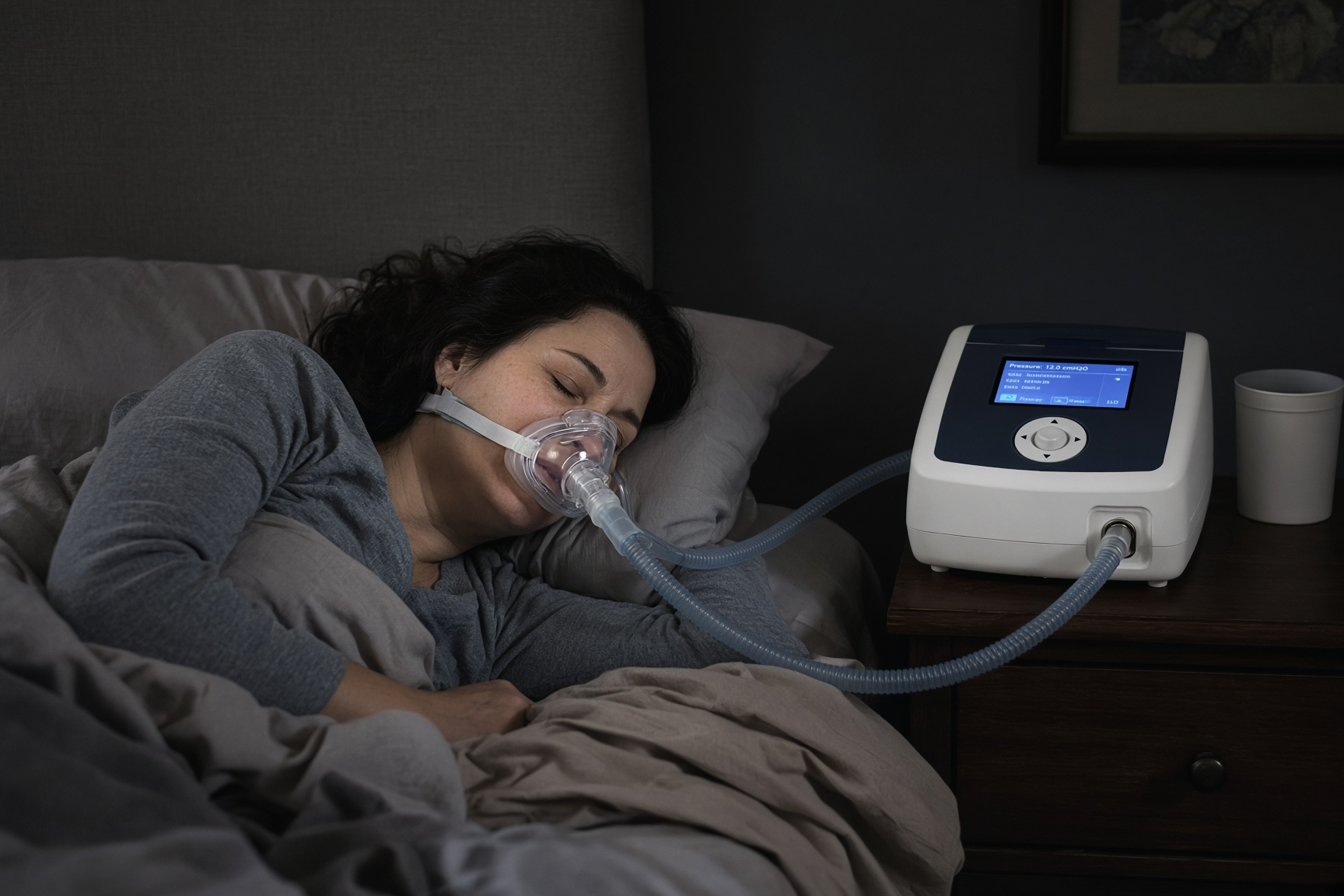
A diagnosis of sleep apnea might feel overwhelming, but the condition is highly treatable. Options include CPAP therapy, oral appliances, positional therapy, lifestyle changes, and in some cases surgery. Many patients report feeling dramatically better within just a few nights of starting treatment, describing it as "waking up for the first time in years."
The most important step is the first one: recognizing the warning signs and seeking evaluation.
If you or someone you love is showing signs of sleep apnea, don't wait. Use our sleep clinic directory to find an accredited sleep center near you and take the first step toward better sleep and better health.
Is your weight affecting your sleep?
As this article covers, the relationship between weight and sleep runs in both directions, and excess weight is one of the most common risk factors for sleep apnea specifically. HealSend offers doctor-prescribed GLP-1 weight loss treatment, with clinician-led care delivered to your door. Talk to your sleep doctor about whether weight loss could be part of your treatment plan.
See if you qualifyAdvertising disclosure: this is a paid partnership. We may earn a commission if you sign up through this link, at no extra cost to you.
Written by
Daniel Marin
Sharing insights on sleep health and wellness to help you achieve better rest and improved quality of life.