Searching "online sleep doctor" used to turn up almost nothing useful. Now it turns up entire telemedicine sleep programs that will evaluate your symptoms, mail you a testing device, prescribe CPAP, and manage your treatment for years, all without you setting foot in a clinic.
That's a genuine and welcome shift, especially for people in rural areas, those with mobility limitations, or anyone who's been putting off care because the nearest sleep center is an hour away and books out for months. But telemedicine in sleep care isn't all-or-nothing. Some parts of the process translate cleanly to a video visit and a mailed device. Others fundamentally require a physical facility, specialized equipment, or an in-person exam. Knowing where that line falls will save you from choosing a service that can't actually deliver what you need.
What Telemedicine Handles Well
The Initial Consultation
A first visit with a sleep specialist is, in large part, a conversation: your symptoms, sleep history, medical background, and risk factors. This translates almost perfectly to video. A telemedicine sleep physician can take a full history, review your Epworth Sleepiness Scale score, discuss your symptoms in detail, and determine what testing you need, all in a video call that's often easier to schedule than an in-person slot at a busy clinic.
For straightforward cases (classic snoring, witnessed breathing pauses, daytime sleepiness pointing toward obstructive sleep apnea) this initial evaluation is genuinely just as effective remotely as in person.
Home Sleep Apnea Testing
This is where telemedicine sleep care shines. A home sleep apnea test (HSAT) is, by design, meant to be used in your own bed. Several telemedicine programs will ship you a small monitoring device, walk you through setup via video or written instructions, and have a board-certified sleep physician interpret the results, typically within days.
If your case fits the criteria for home testing (suspected moderate-to-severe obstructive sleep apnea, otherwise healthy, no complicating symptoms) this entire step can happen without leaving your house. See our guide on home sleep tests vs. in-lab studies for the specifics on who qualifies for a home test versus who needs the lab.
CPAP Prescription and Ongoing Management
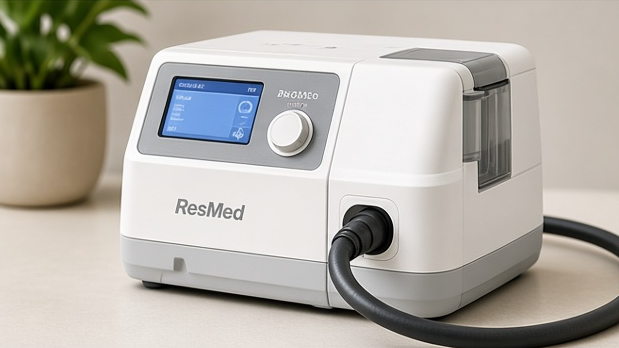
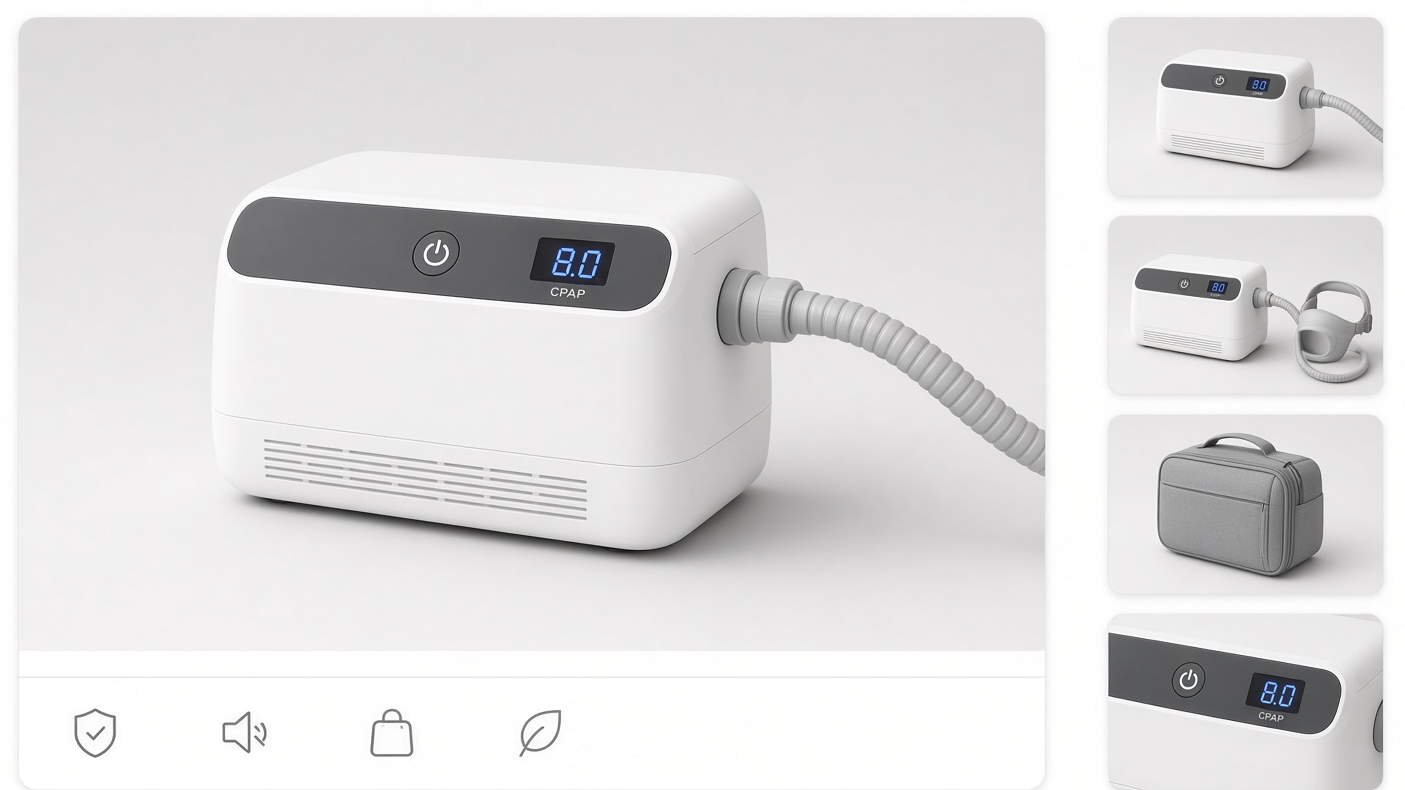
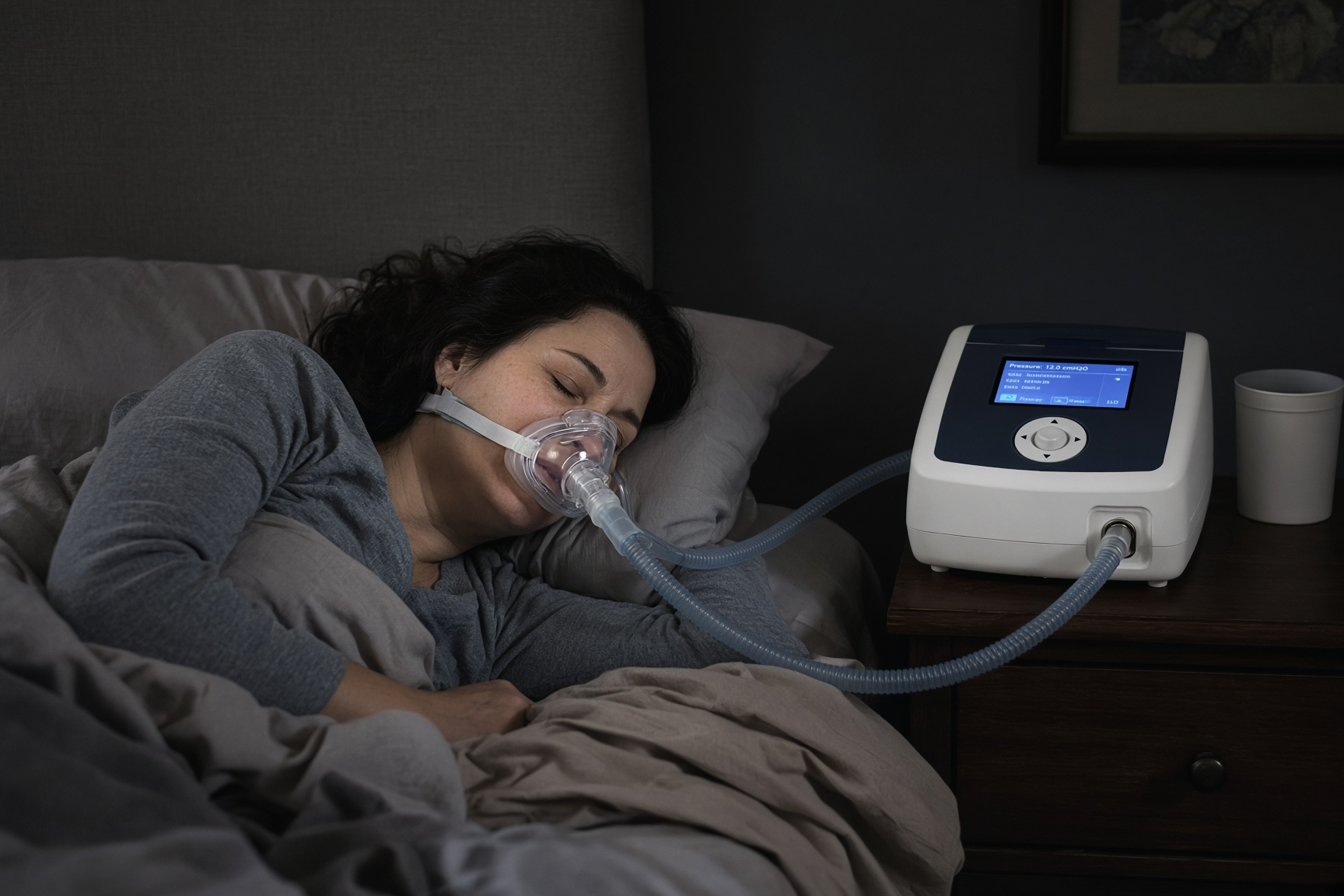
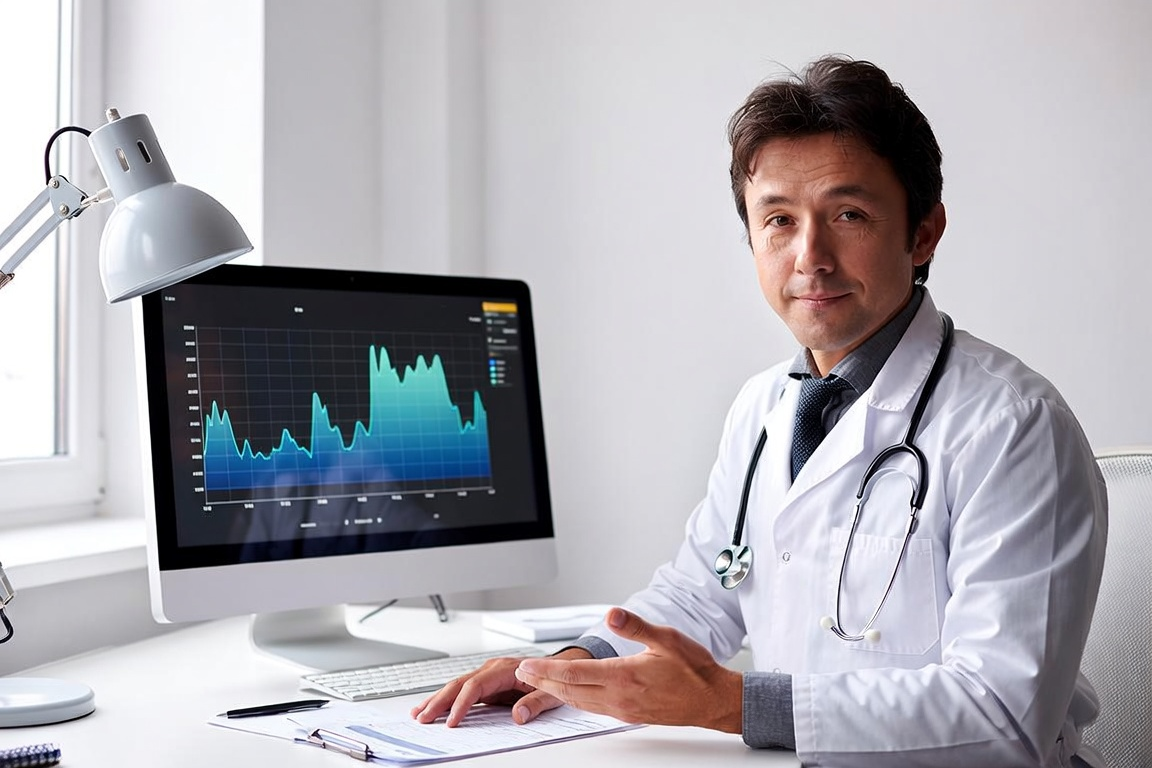
Once a diagnosis is confirmed, telemedicine handles CPAP management remarkably well. Modern CPAP machines transmit usage data (hours per night, mask leak, residual events) directly to cloud platforms that both you and your physician can review. A remote provider can look at this data, adjust your pressure settings, troubleshoot mask fit issues over video, and monitor your compliance just as effectively as an in-person follow-up, arguably more effectively, since the data updates continuously rather than only at scheduled visits.
Mask refits are the one wrinkle here: while consultation can happen by video, physically trying different mask styles often benefits from an in-person fitting, at least initially, or working with a local durable medical equipment (DME) supplier who can ship trial options.
CBT-I for Insomnia
Cognitive Behavioral Therapy for Insomnia translates unusually well to telehealth, and in some ways is enhanced by it. Digital CBT-I programs deliver the same evidence-based components (sleep restriction, stimulus control, cognitive restructuring) through structured apps, and live video sessions with a behavioral sleep medicine specialist work just as well as in-person therapy for this particular condition. Our CBT-I guide covers the full program in detail; virtually all of it can be delivered remotely.
Prescription Refills and Medication Management
For conditions managed primarily through medication, restless legs syndrome, narcolepsy maintenance once diagnosed, or ongoing insomnia treatment, routine follow-up and prescription management work well over telemedicine. Your physician can review symptom changes, adjust dosages, and monitor for side effects like augmentation in RLS treatment through a video visit, provided the initial diagnosis was made properly.
What Still Requires an In-Person Visit or a Lab
In-Lab Polysomnography
There is no remote substitute for an overnight, in-lab sleep study. It requires physical electrodes attached to your scalp, face, chest, and legs, a technologist monitoring you in real time, and specialized equipment that cannot be replicated at home. If your case requires a full PSG, complex medical history, suspected central sleep apnea, or conditions beyond straightforward obstructive apnea, telemedicine can get you the referral, but not the test itself.
The Multiple Sleep Latency Test (MSLT) for Narcolepsy
Diagnosing narcolepsy requires an overnight PSG followed immediately by a structured series of daytime nap opportunities, monitored in a lab setting with precise timing and specific medication washout protocols. This is one of the clearest examples of a diagnostic step that simply cannot be done remotely. Our narcolepsy guide covers why the MSLT protocol is so exacting, and why a mismanaged test (wrong washout period, insufficient prior sleep) can produce a false negative that delays a correct diagnosis for years.
If your symptoms suggest narcolepsy, telemedicine is useful for the initial conversation and eventual medication management, but the diagnostic core of the workup happens in an accredited lab.
CPAP Titration Requiring In-Lab Monitoring
Many patients now go through auto-titrating CPAP machines that adjust pressure automatically, which reduces the need for an in-lab titration study. But some complex cases, particularly those with coexisting central sleep apnea, significant heart or lung disease, or a poor response to auto-titration, still require an in-lab titration study where a technologist manually adjusts pressure while monitoring you in real time.
Physical Examination Findings
Certain diagnostic clues require hands-on or in-person visual examination: assessing tonsil size, examining nasal or airway anatomy, checking neck circumference, or evaluating jaw structure for oral appliance candidacy. A dentist fitting a custom oral appliance for sleep apnea needs to take physical impressions or scans of your teeth, something no video visit can substitute for. If your workup includes consideration of surgery or oral appliance therapy, expect at least one in-person visit at that stage.
Drug-Induced Sleep Endoscopy (DISE)
For patients being evaluated for surgery or hypoglossal nerve stimulation (Inspire), DISE is a procedure where a physician observes your airway collapse pattern in real time under sedation. This is an in-person procedure by definition, requiring a controlled clinical setting.
Pediatric Sleep Evaluations
Children with suspected sleep disorders generally need in-person evaluation, and pediatric sleep studies require specialized labs equipped and staffed for younger patients. While an initial telemedicine consultation with a pediatric sleep specialist can be useful for triage, definitive diagnosis in children typically isn't handled through telehealth alone.
Emergency or Acute Symptoms
Severe cases, significant oxygen desaturation, suspected central sleep apnea related to heart failure, or acute changes in a known condition, warrant in-person, often urgent, evaluation rather than a routine telehealth visit.
A Realistic Telemedicine Pathway
For a large share of patients, particularly those with suspected uncomplicated obstructive sleep apnea, a fully or mostly remote pathway looks like this:
- Video consultation with a board-certified sleep physician to review symptoms and history
- Home sleep apnea test mailed to your house, worn for one or more nights, returned by mail
- Remote results review and diagnosis via video or phone
- CPAP prescription, with the machine shipped to you and initial setup walked through remotely or by the DME supplier
- Ongoing management via cloud-connected CPAP data and periodic video check-ins
This pathway can take a fraction of the time of a traditional in-person process, particularly in areas with long specialist wait times, and it's entirely legitimate medicine when your case fits the profile for home testing.
When to Choose In-Person Care From the Start
Skip the fully remote pathway and go straight to an in-person accredited sleep center if:
- You have significant heart, lung, or neurological disease
- Your symptoms suggest narcolepsy, parasomnias, REM sleep behavior disorder, or another condition beyond straightforward obstructive apnea
- You've already had an inconclusive or negative home test but symptoms persist
- You're evaluating a child
- You're considering surgery, an oral appliance, or Inspire, all of which require physical evaluation at some stage
- Your case is complex enough that your primary care doctor or the telemedicine intake specifically recommends in-lab testing
How to Evaluate a Telemedicine Sleep Program
Not all "online sleep doctor" services are equal. Before signing up, confirm:
- Physicians are board-certified in sleep medicine. Our guide on what board certification requires explains why this credential matters just as much in a telehealth setting as an in-person one, arguably more, since you have less opportunity to gauge expertise through an ongoing in-person relationship.
- The home testing component, if offered, uses AASM-accredited protocols. Ask specifically whether the program's testing arm holds Out of Center Sleep Testing (OCST) accreditation.
- There's a clear pathway to in-person or in-lab care if your case turns out to be more complex. A responsible telemedicine program will refer you out rather than trying to force every patient through a remote-only process.
- Your insurance is accepted, or the cash pricing is transparent, since telemedicine sleep programs vary widely in how they bill.
- Ongoing support is included, not just the initial diagnosis, particularly for CPAP troubleshooting in the first few months when adherence problems are most common.
The Bottom Line
Telemedicine has genuinely expanded access to sleep care, and for a large share of patients with straightforward suspected obstructive sleep apnea, insomnia, or ongoing medication management, a mostly or fully remote pathway is legitimate, convenient, and clinically sound.
But it isn't a replacement for everything. In-lab polysomnography, MSLT testing for narcolepsy, DISE, oral appliance fitting, and pediatric evaluation still require a physical facility and hands-on care. The right approach is knowing which category your situation falls into, and choosing a provider, remote or in-person, willing to be honest with you about which one that is.
Ready to find the right kind of care? Use our sleep clinic directory to locate accredited sleep centers near you, whether you need an in-person evaluation or want to ask about their telemedicine options.
Written by
Daniel Marin
Sharing insights on sleep health and wellness to help you achieve better rest and improved quality of life.