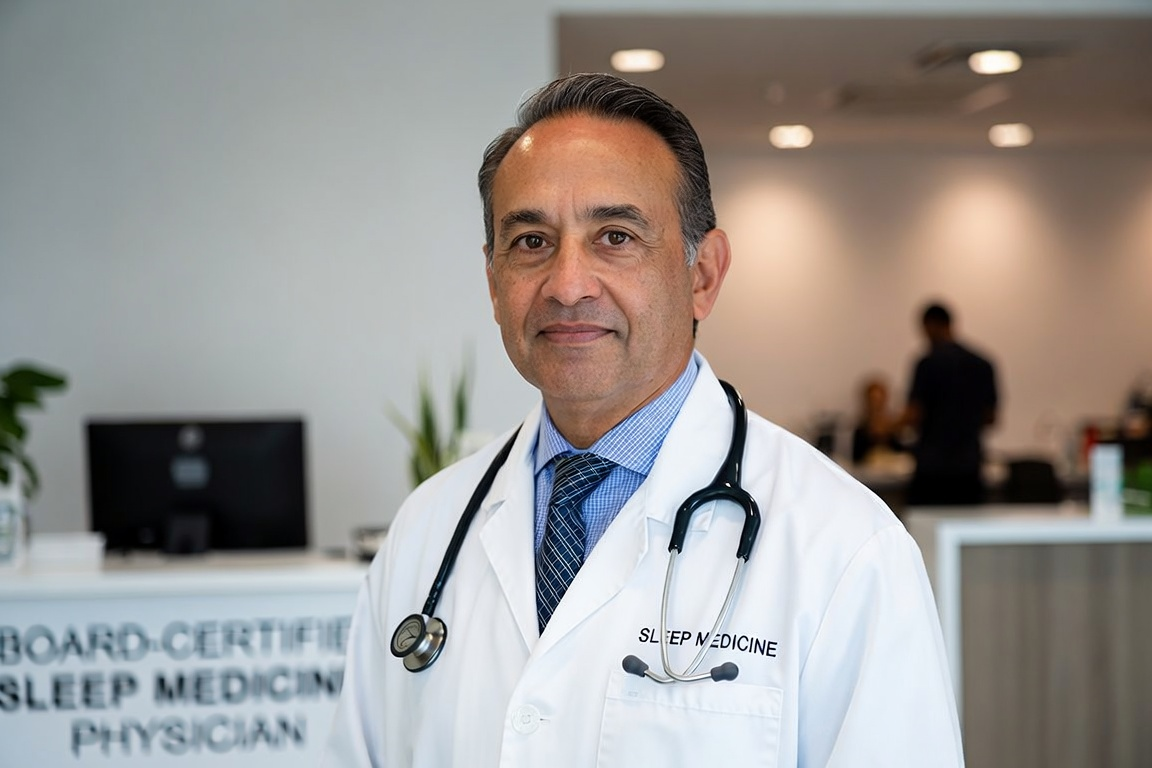
Anyone can put "sleep specialist" on a website. There's no law stopping a general practitioner, a chiropractor, or a wellness clinic from using the phrase, and plenty do. What separates a genuine expert from someone who has simply developed an interest in sleep is a specific, verifiable credential: board certification in sleep medicine.
This matters more than most patients realize. Sleep medicine touches neurology, pulmonology, psychiatry, cardiology, and internal medicine all at once, a single patient's fatigue could stem from apnea, narcolepsy, restless legs, insomnia, a mood disorder, or some combination. Diagnosing correctly requires training that goes well beyond what a general practice residency covers.
Here's what board certification in sleep medicine actually requires, how it differs from a doctor who informally "does sleep," and how to check before you commit to a physician or clinic.
What Board Certification Actually Requires
Board certification in sleep medicine is not a weekend course or an online module. It's a recognized medical subspecialty with a defined training and examination pathway.
The path typically looks like this:
- Complete medical school (MD or DO) and a residency in a primary specialty, most commonly internal medicine, neurology, pediatrics, psychiatry, family medicine, or otolaryngology (ENT).
- Complete a dedicated sleep medicine fellowship, an additional year of specialized training focused entirely on the diagnosis and treatment of sleep disorders, accredited by the Accreditation Council for Graduate Medical Education (ACGME).
- Pass a subspecialty board examination administered by the relevant certifying board, most commonly the American Board of Internal Medicine (ABIM), American Board of Psychiatry and Neurology (ABPN), American Board of Pediatrics (ABP), or American Board of Otolaryngology, depending on the physician's primary specialty. Physicians with a DO background may certify through the American Osteopathic Association (AOA).
- Maintain certification through ongoing continuing medical education and periodic recertification, since board certification isn't a one-time achievement, it requires staying current.
By the time a physician holds this credential, they have completed years of training specifically in identifying and managing the full range of sleep disorders, not just the most common ones.
What a General Practitioner "Doing Sleep" Looks Like Instead
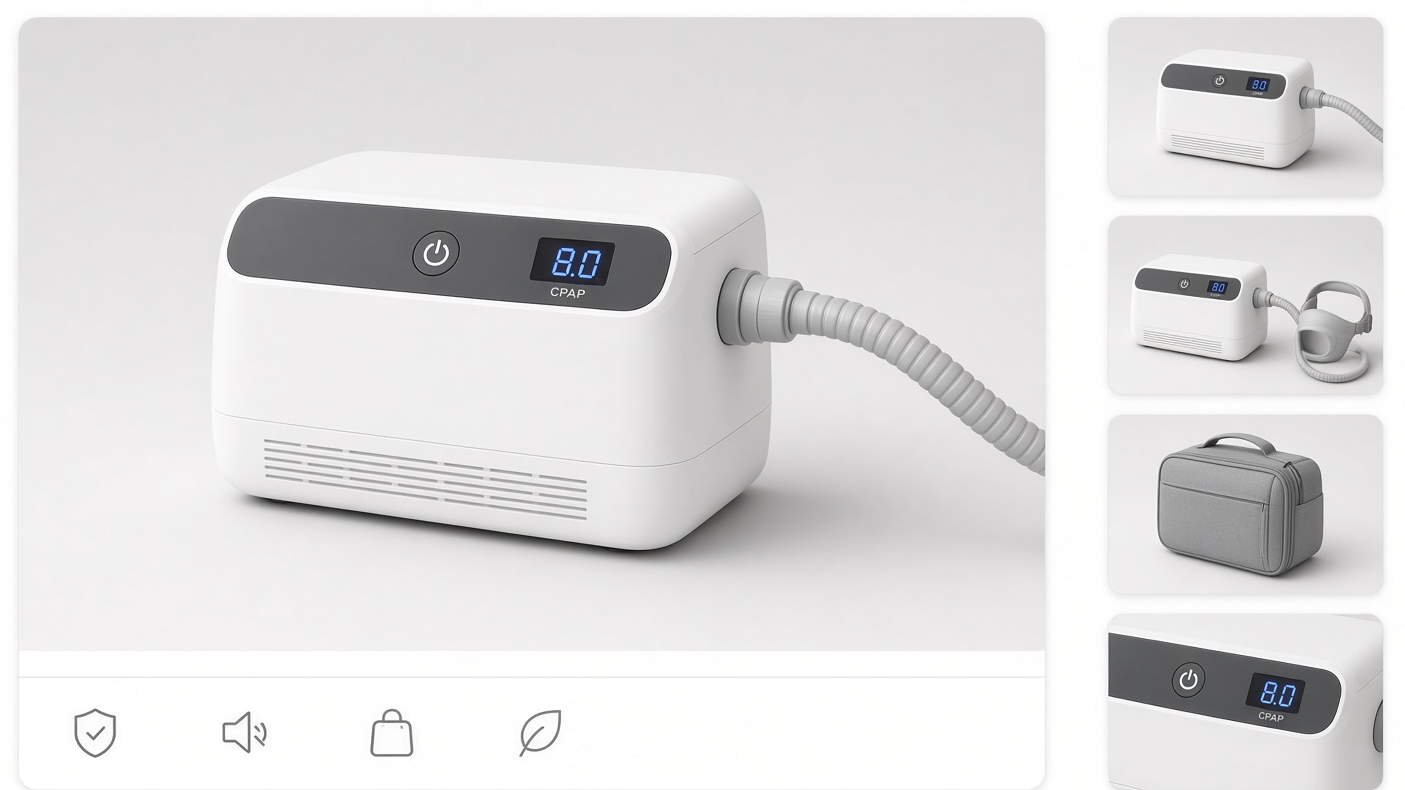
Compare that to a common alternative: a primary care physician, pulmonologist, or even a dentist who has taken a short course or weekend certification in sleep medicine basics, often focused narrowly on obstructive sleep apnea and CPAP management.
This isn't necessarily bad, plenty of primary care doctors appropriately manage straightforward, uncomplicated sleep apnea. But the depth of training is fundamentally different. A weekend course does not prepare a physician to distinguish narcolepsy from depression, recognize REM sleep behavior disorder as an early neurological warning sign, manage augmentation in restless legs syndrome treatment, or correctly interpret a polysomnogram showing an atypical pattern.
The distinction matters most when your case isn't textbook-simple. If your symptoms don't neatly resolve with a CPAP trial, or if something about your sleep pattern doesn't add up, that's exactly when the depth of a board-certified sleep specialist's training becomes valuable rather than optional.
Why This Matters for Diagnosis
Sleep medicine is unusually cross-disciplinary, and misdiagnosis is common precisely because symptoms overlap so heavily across conditions:
- Excessive daytime sleepiness can stem from sleep apnea, narcolepsy, idiopathic hypersomnia, depression, medication side effects, or simple sleep deprivation. Our guide on narcolepsy symptoms and diagnosis covers just how often this specific condition is misread as something else, often for over a decade.
- Fatigue and poor sleep can reflect insomnia, sleep apnea, restless legs syndrome, or a combination (COMISA, when insomnia and apnea coexist), each requiring a completely different treatment approach, as covered in our guide on insomnia vs. sleep apnea.
- Abnormal movements or behaviors during sleep can reflect periodic limb movement disorder, REM sleep behavior disorder, parasomnias, or nocturnal seizures, conditions that require a trained eye to distinguish on a sleep study.
A board-certified sleep physician is trained to consider this full differential rather than reflexively defaulting to the most common diagnosis. That training is also what allows them to correctly interpret complex or atypical polysomnography and MSLT results, order the appropriate additional testing when something doesn't fit, and coordinate with other specialists (neurology, cardiology, psychiatry) when a sleep disorder overlaps with another condition.
Why This Matters for Treatment
Board-certified sleep physicians are also positioned to offer, or appropriately refer for, the full range of treatment options rather than defaulting to whatever their practice happens to offer.
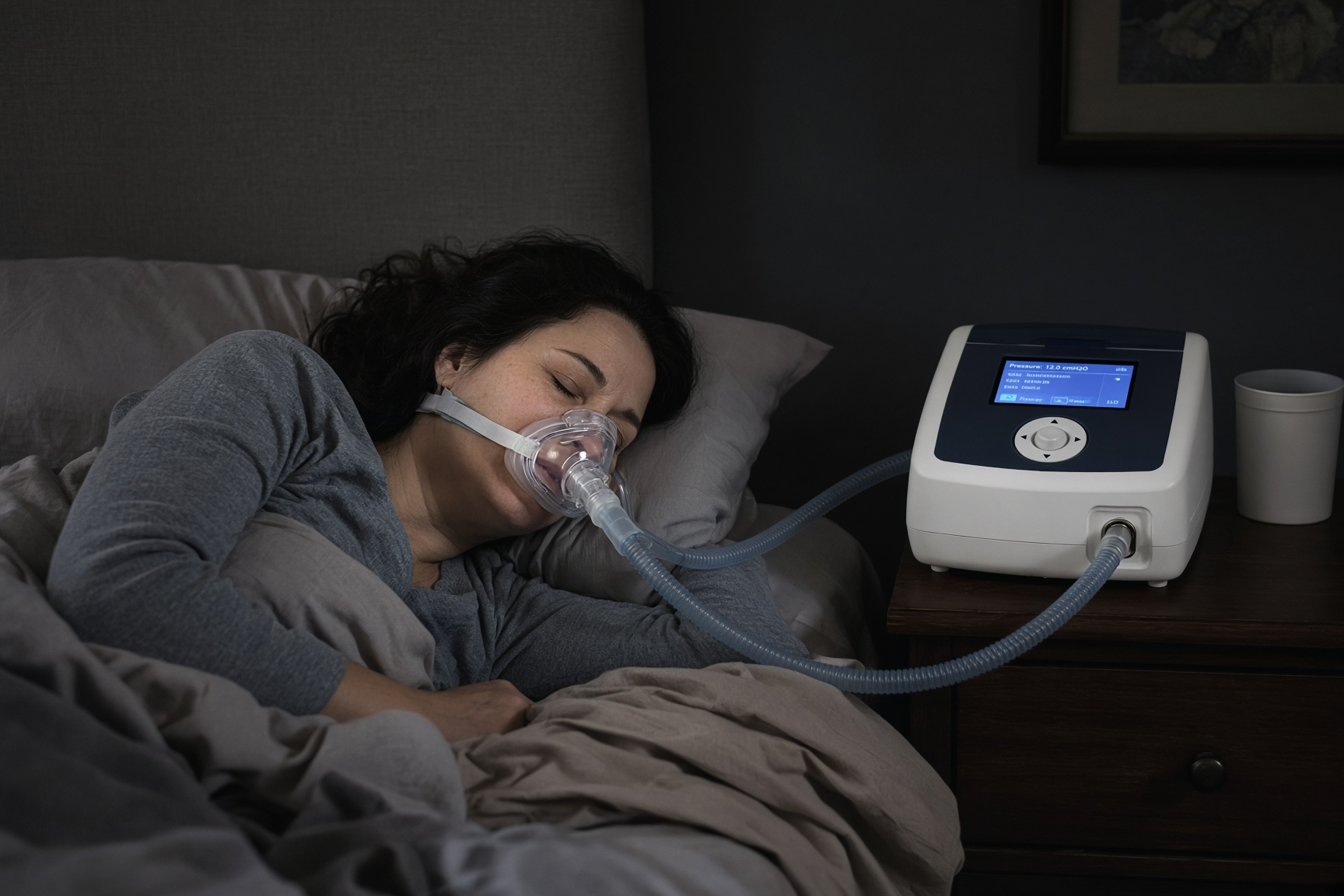
For sleep apnea, that means being able to discuss CPAP alongside oral appliance therapy, positional therapy, hypoglossal nerve stimulation, and surgical options, and knowing which patients are candidates for each, rather than presenting CPAP as the only path. For insomnia, it means recognizing when Cognitive Behavioral Therapy for Insomnia (CBT-I) is more appropriate than long-term medication, our CBT-I guide covers why this distinction matters so much for long-term outcomes.
A physician without this depth of training may be less aware of the full menu of options, or less equipped to judge which one fits your specific case.
How Board Certification Connects to Clinic Accreditation
Board certification of the physician and AASM accreditation of the facility are related but distinct concepts, and it's worth understanding both.
AASM accreditation, covered in our guide on why accreditation matters, verifies the facility: its equipment, staffing ratios, safety protocols, and quality assurance processes. In fact, one specific requirement of AASM accreditation is that the center's medical director be board-certified in sleep medicine, so the two credentials reinforce each other.
But accreditation certifies the facility as a whole; it doesn't guarantee that every individual physician you might see there holds the same credential, particularly at larger, multi-physician practices. It's worth confirming both: is the facility accredited, and is the specific physician interpreting your study or managing your care board-certified?
How to Verify a Physician's Board Certification
This is a genuinely easy thing to check, and worth doing before your first appointment:
- Ask directly. A legitimate board-certified sleep physician will answer immediately and specifically, naming the certifying board (ABIM, ABPN, ABP, or the equivalent AOA certification).
- Check the American Board of Medical Specialties (ABMS) certification verification tool at certificationmatters.org, which allows you to search any physician by name and confirm active board certification status, including in sleep medicine specifically.
- Ask the clinic directly whether all physicians interpreting sleep studies and managing patient care are board-certified in sleep medicine, not just the medical director listed for accreditation purposes.
- Check the physician's listed credentials on the clinic's website or your insurance directory, looking specifically for "sleep medicine" as a subspecialty, not just their primary specialty (internal medicine, neurology, etc.) alone.
Questions to Ask When Choosing a Provider
- Are you board-certified in sleep medicine, and through which board?
- Did you complete an ACGME-accredited sleep medicine fellowship?
- How many years have you practiced sleep medicine specifically?
- Do you personally interpret my sleep study, or is it read by another physician?
- Do you treat the full range of sleep disorders, or primarily sleep apnea?
- If my case turns out to be complex, do you have the training (or referral relationships) to manage it?
These pair naturally with the broader questions covered in our guide on how to choose the right sleep clinic, where physician credentials are one of seven key factors worth confirming before you book.
The Bottom Line
Sleep medicine is a genuine subspecialty requiring years of additional training beyond a general medical degree, precisely because sleep disorders are so varied and so easily confused with one another. Board certification is the credential that verifies a physician actually has that training, not just an interest in the topic.
It costs nothing to ask, and the answer is independently verifiable in minutes. For a condition that can take years to properly diagnose when handled by someone without the right training, confirming this credential upfront is one of the highest-value questions you can ask.
Ready to find board-certified specialists? Use our sleep clinic directory to locate accredited sleep centers near you staffed by board-certified sleep medicine physicians.
Written by
Daniel Marin
Sharing insights on sleep health and wellness to help you achieve better rest and improved quality of life.