If your father snored, and his father snored, and now your kids complain that you snore too, it's tempting to assume it's just a family joke, something in the water, or a coincidence of shared bad habits. It isn't. Snoring, and the sleep apnea it can signal, has a genuine genetic component, and the reason isn't a single "snoring gene." It's inherited anatomy, and in some cases inherited physiology, that makes an airway more prone to narrowing during sleep.
Understanding that inheritance matters beyond curiosity. If snoring and apnea run in your family, that's useful information for gauging your own risk, and potentially your children's, well before symptoms become obvious.
What the Research Shows
Family and twin studies have consistently found that both habitual snoring and obstructive sleep apnea cluster in families more than chance would predict. Having a parent or sibling with obstructive sleep apnea meaningfully raises your own likelihood of having it, independent of shared environment alone, since studies have found the pattern holds even after accounting for factors like body weight that family members might also share.
Twin studies, which are particularly useful for separating genetics from shared environment, have found higher concordance for snoring and apnea in identical twins than in fraternal twins, a classic signature of a real genetic contribution rather than just "families eat the same food and live in the same house."
None of this means sleep apnea is simply inherited the way eye color is. It's what researchers call a polygenic and multifactorial condition: many genes each contributing a small effect, interacting with anatomy, weight, age, and lifestyle. But the aggregate effect of that genetic contribution is large enough to be clinically meaningful.
It's Mostly About Inherited Anatomy
The most direct way genetics drives snoring risk isn't through some abstract "snoring gene." It's through the inherited physical structures that determine how much space air has to move through your throat.
Jaw and facial structure. A recessed or smaller lower jaw (retrognathia) reduces the space available for the tongue, pushing it further back into the airway during sleep. Jaw structure is strongly heritable, children of parents with a recessed jaw are considerably more likely to have similar structure themselves.
Airway width. Some people are simply born with a narrower oropharynx, the space at the back of the throat where obstruction typically occurs during sleep apnea. This anatomical narrowness is a significant independent risk factor, and it runs in families the same way other bone and soft tissue structures do.
Tonsil and adenoid size. Enlarged tonsils are a major cause of snoring and sleep apnea, particularly in children, and tonsil size has a real genetic component. This is one of the more directly visible inherited traits linked to snoring, and it's frequently the reason siblings in the same family both snore loudly from a young age.
Tongue size relative to the mouth. Some people inherit a tongue that's proportionally larger relative to their oral cavity (sometimes described clinically as macroglossia in more pronounced cases), which reduces the available airway space, particularly when lying down.
Nasal structure. A deviated septum or naturally narrow nasal passages, both of which can be inherited, force more mouth breathing and increase airway resistance and turbulence, both of which promote snoring.
Neck and body fat distribution. Body weight itself isn't purely genetic, but genetics does influence where fat tends to accumulate, and fat distributed around the neck and upper airway is a particularly strong risk factor for both snoring and sleep apnea, distinct from overall body weight.
Beyond Anatomy: Physiological Factors
A few less visible, more physiological factors also appear to run in families.
Upper airway muscle tone during sleep. How well the muscles that keep your airway open resist collapse during sleep varies between people, and there's evidence this has a heritable component separate from anatomy alone.
Craniofacial growth patterns. Some research links inherited patterns of facial and jaw development, sometimes influenced by early childhood breathing patterns (a chicken-and-egg relationship that researchers are still untangling), to airway space in adulthood.
Body fat regulation and metabolic tendencies. Since excess weight is the single strongest modifiable risk factor for sleep apnea, and genetics substantially influences weight regulation and metabolism, this is an indirect but real pathway connecting family history to risk. Our guide on sleep and weight gain covers how the two conditions interact once apnea is present.
Does This Mean You're Destined to Snore If Your Parents Did?
No, and this distinction matters. Genetics establishes a predisposition, not a guarantee. Family history raises your statistical risk; it doesn't determine your outcome.
Several factors that are at least partly within your control interact with that inherited risk:
- Body weight, the strongest modifiable risk factor, and one where genetic tendency and lifestyle both play a role
- Alcohol and sedative use, which relax airway muscles regardless of your underlying anatomy
- Sleep position, since back-sleeping worsens airway collapse in anyone, but especially in people with an already-narrower airway
- Smoking, which increases airway inflammation and fluid retention
- Nasal congestion management, since treating allergies or a deviated septum can meaningfully reduce mouth breathing and snoring
Two siblings can inherit similar airway anatomy and end up with very different outcomes depending on weight, habits, and how they manage the modifiable factors above. Family history changes your baseline risk; it doesn't write the ending.
What This Means Practically
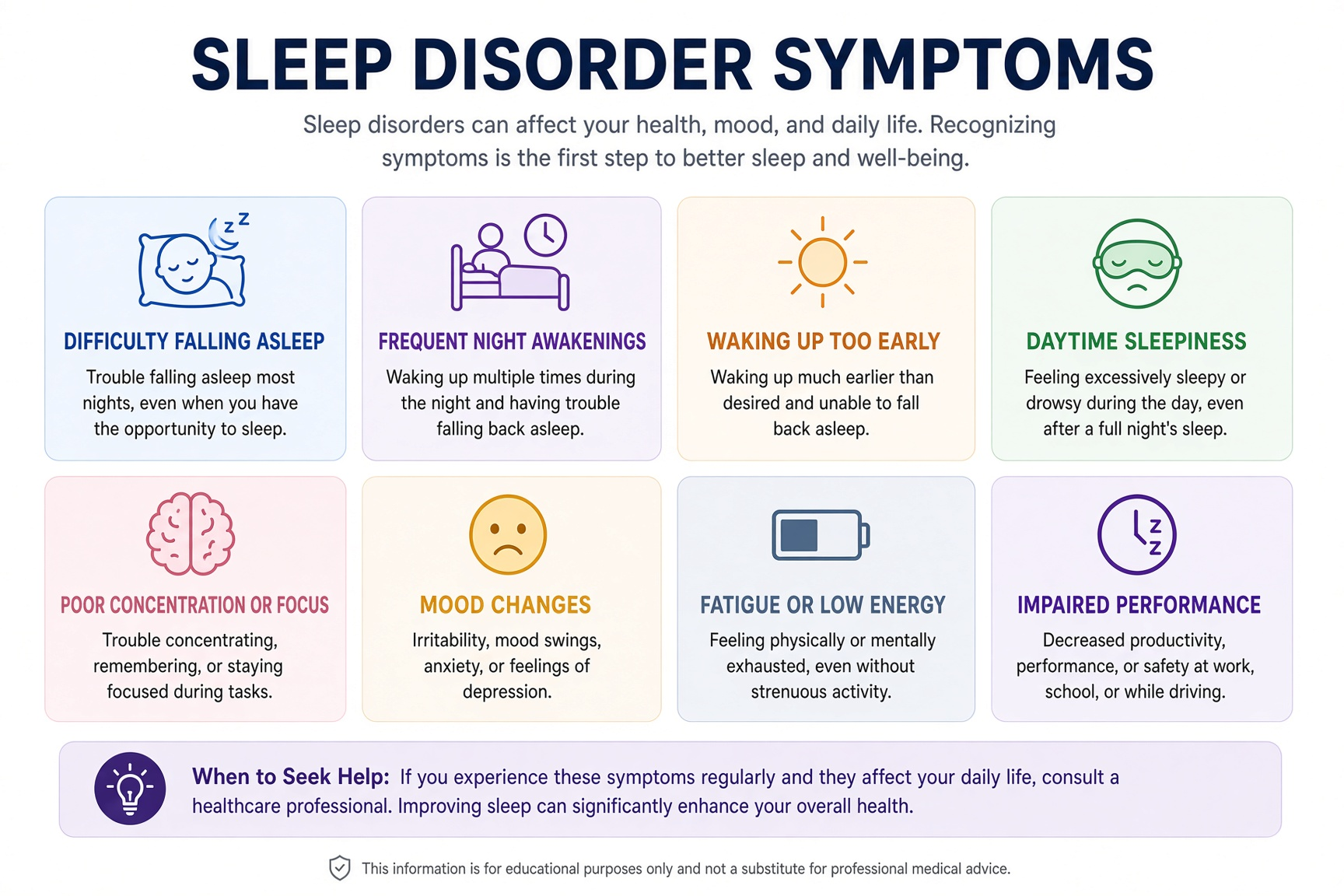
If sleep apnea runs in your family, take your own symptoms more seriously, sooner. Loud or irregular snoring, witnessed breathing pauses, morning headaches, and daytime sleepiness are all worth investigating in anyone, but a family history should lower your threshold for getting evaluated rather than assuming it's "just how we snore in this family." Our guides on sleep apnea symptoms and snoring versus sleep apnea cover the specific warning signs worth watching for.
Mention family history to your doctor explicitly. It's a genuine risk factor that belongs in the conversation alongside weight, neck circumference, and age, not something to leave out because it feels like background trivia.
Watch for it in your children, especially if you have apnea yourself. Snoring in children is not something to dismiss as cute or normal, especially with a family history of sleep apnea. Enlarged tonsils and adenoids, a leading cause of pediatric sleep apnea, are more likely when a parent has a similar history, and pediatric sleep apnea has real developmental consequences if it goes unaddressed. Our guide on signs your child may have a sleep disorder covers what to look for.
Understand that a family history of "just snoring" might actually be undiagnosed apnea passed down. Snoring has often been treated as harmless family lore for generations, "your grandfather snored like a freight train," without anyone in the family ever being formally evaluated. If that's your family's story, there's a real possibility that untreated sleep apnea has been present, and unaddressed, across multiple generations.
Anatomy-Driven Treatment Options
Because so much of inherited snoring risk comes down to anatomy, understanding your specific anatomical contributor can also point toward more targeted treatment, beyond the general first-line options.
If a recessed jaw is the primary issue, oral appliance therapy, which repositions the jaw forward, tends to work particularly well. If enlarged tonsils are the driver, especially in children, removal can be genuinely curative rather than just symptom management. If nasal obstruction from inherited structure is contributing, addressing that specifically (whether through medical management or, in some cases, surgery) can meaningfully improve outcomes even when it doesn't fully resolve apnea on its own. Our guide to CPAP alternatives covers the fuller range of options and who tends to benefit most from each.
The Bottom Line
Snoring and sleep apnea genuinely run in families, primarily through inherited jaw structure, airway width, tonsil size, and related anatomy, not through a single identifiable gene. That inheritance sets your baseline risk; it doesn't guarantee an outcome, and factors like weight, alcohol use, and sleep position still meaningfully shape whether that predisposition turns into a real problem.
If snoring or sleep apnea is a recurring theme in your family, whether openly discussed or just a running joke, it's worth treating that pattern as real medical information rather than trivia, both for your own evaluation and for keeping an eye on it in your kids.
Family history of snoring or sleep apnea? Use our sleep clinic directory to find an accredited sleep center near you and get properly evaluated.
Written by
Daniel Marin
Sharing insights on sleep health and wellness to help you achieve better rest and improved quality of life.