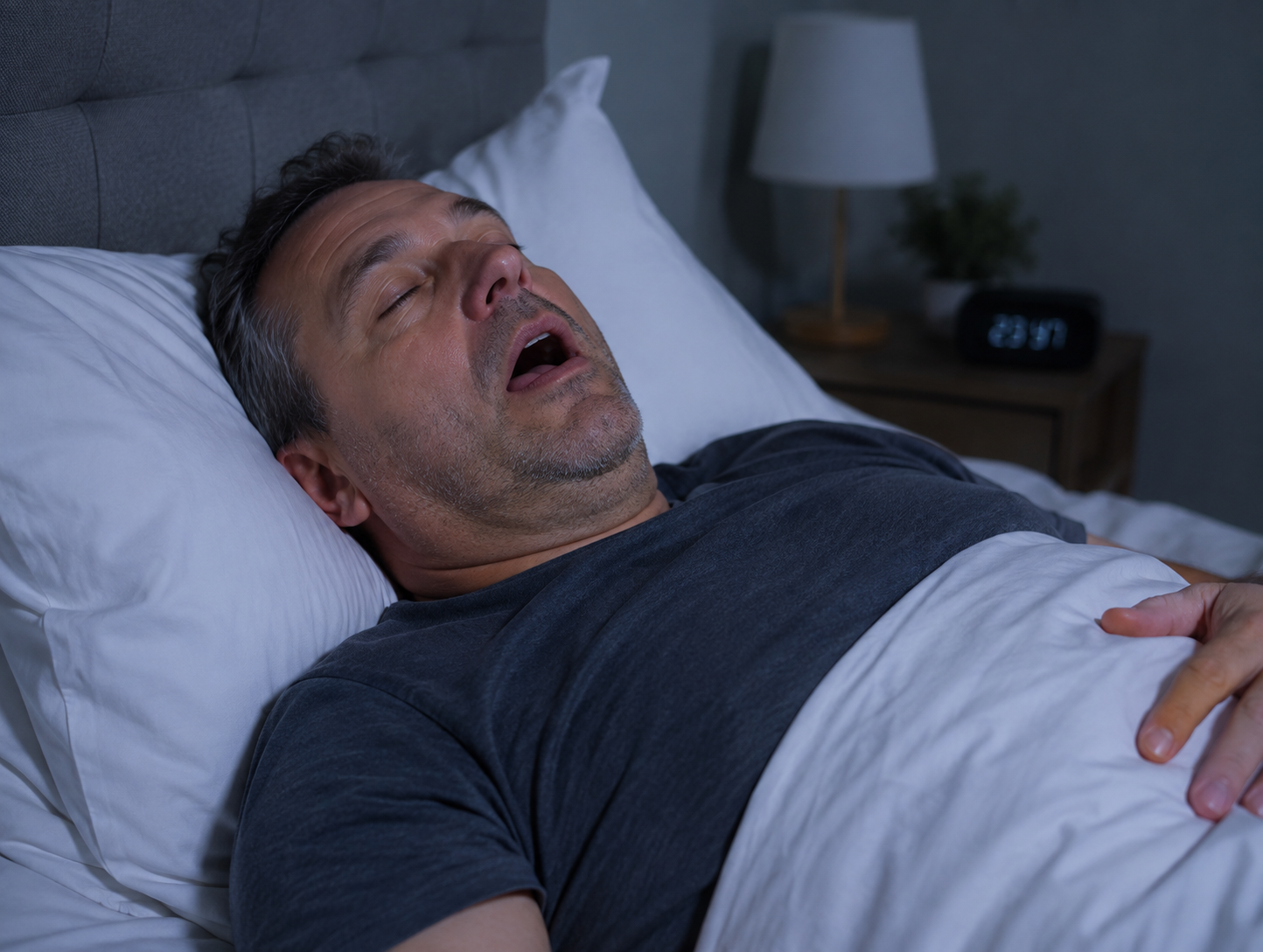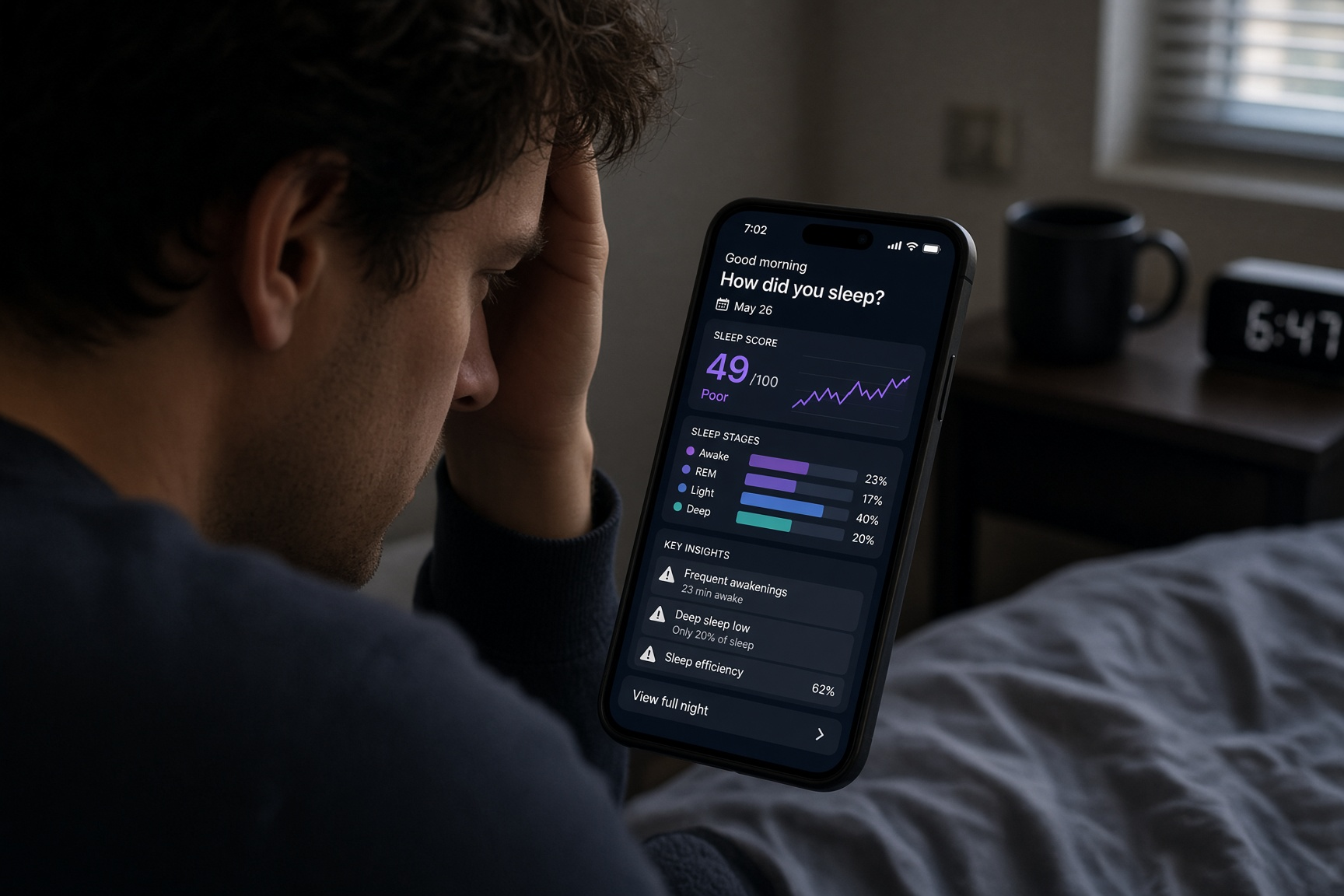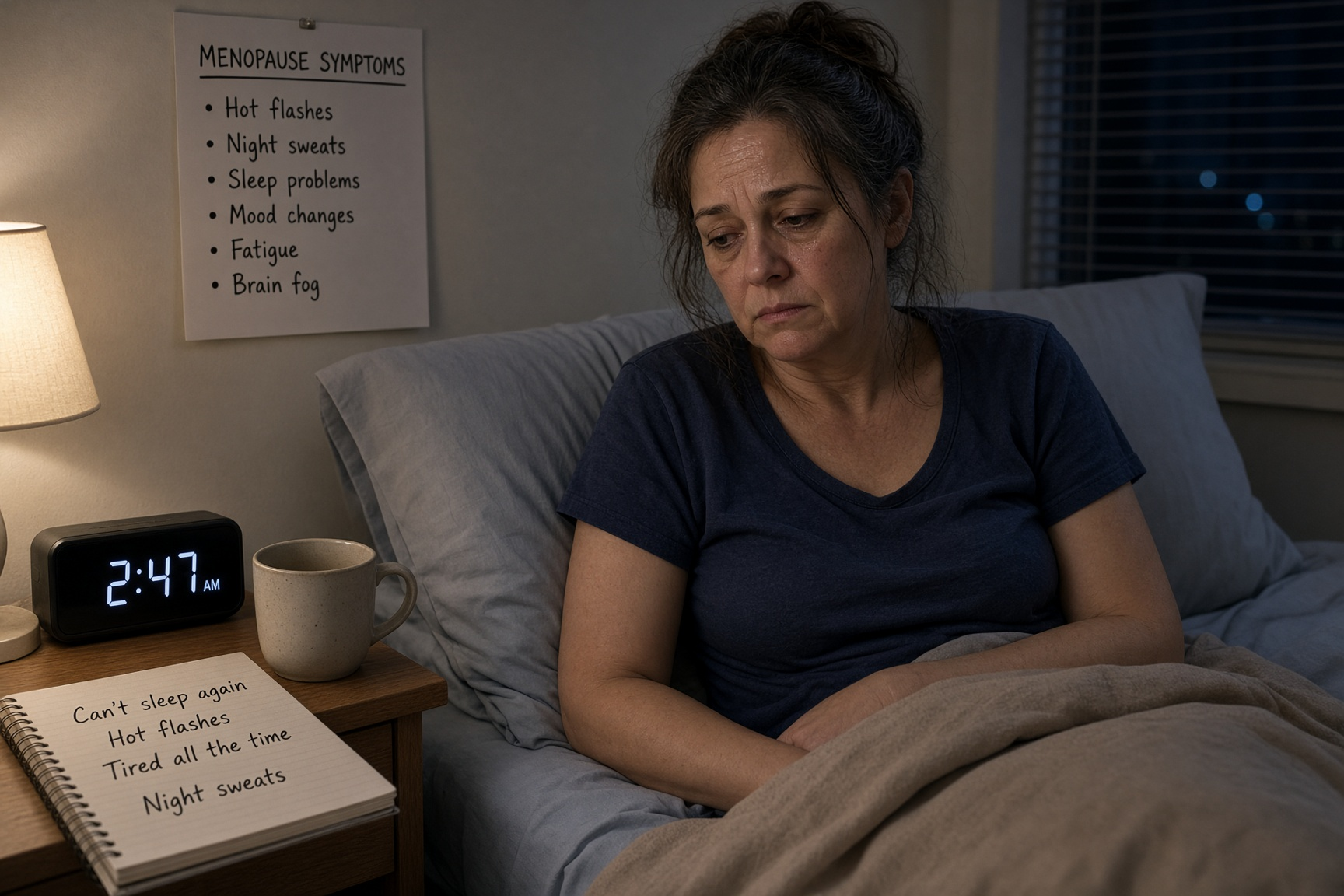
For a lot of women, sleep is simply not a topic until sometime in their 40s or 50s. Then, seemingly overnight, it becomes one of the most disruptive parts of daily life: waking drenched in sweat at 2 AM, lying awake with a racing mind that never used to race, or getting a full night in bed and still feeling like nothing restorative happened.
This isn't in your head, and it isn't just "getting older." Sleep disruption during the menopause transition has specific, well-documented hormonal drivers, and up to the large majority of women going through perimenopause report meaningful sleep problems during this period. Understanding the actual mechanisms, rather than accepting bad sleep as an inevitable cost of this life stage, opens up real options for managing it.
Why This Happens: The Hormonal Story
Two hormones drive most of what changes.
Estrogen decline affects sleep through multiple pathways. Estrogen helps regulate body temperature (its decline is the direct cause of hot flashes and night sweats, discussed below), supports serotonin and other neurotransmitter systems involved in mood and sleep regulation, and has a role in maintaining normal sleep architecture. As estrogen fluctuates and then drops during the menopause transition, all of these functions are affected simultaneously.
Progesterone decline matters specifically because progesterone has a mild sedative, calming effect at normal levels, partly through its interaction with GABA receptors, the same inhibitory system targeted by many anti-anxiety and sleep medications. As progesterone falls, that natural calming effect fades, which is part of why many women describe feeling more anxious, wired, or unable to "switch off" at bedtime during perimenopause, sometimes before hot flashes even become a major issue.
The timing matters. Perimenopause, the transition period that can last several years before periods stop entirely, is often when sleep disruption is most erratic, because hormone levels are fluctuating unpredictably rather than declining smoothly. Some women find their sleep partially stabilizes once they're fully postmenopausal and hormone levels settle at a new, lower baseline, though for others, disruption continues.
The Specific Ways Sleep Falls Apart
Hot Flashes and Night Sweats
Vasomotor symptoms, the clinical term for hot flashes and night sweats, are the most recognized cause of menopausal sleep disruption, and they're common enough that most women going through the transition experience them to some degree.
A hot flash involves a sudden sensation of intense heat, often with flushing and sweating, caused by a temporary narrowing of the brain's thermoregulatory "comfort zone" as estrogen fluctuates. At night, this translates to waking up overheated, sometimes drenched enough to require changing clothes or sheets, followed by a chill as the body cools back down. Each episode is a genuine sleep interruption, and for women with frequent night sweats, this can mean multiple awakenings every night.
Insomnia, Independent of Hot Flashes
Here's what surprises a lot of women: insomnia during perimenopause doesn't only happen because of hot flashes. Even women with minimal vasomotor symptoms frequently develop new difficulty falling asleep, staying asleep, or both, pointing to the direct effects of estrogen and progesterone decline on sleep regulation itself, separate from temperature disruption.
This often shows up as a racing mind at bedtime, a new experience for many women who never previously struggled with this, or as waking in the middle of the night unable to return to sleep. Our guide on waking up at 3 AM covers the general mechanisms behind middle-of-the-night waking, several of which are amplified during this hormonal transition.
Mood Changes That Feed Back Into Sleep
Perimenopause is associated with increased rates of anxiety and depressive symptoms, even in women with no prior history of either. Because mood and sleep influence each other bidirectionally, anxiety makes sleep worse, and poor sleep worsens mood and anxiety, this can become a self-reinforcing cycle that's hard to interrupt without addressing both sides. Our guide on how sleep apnea can affect mood covers this bidirectional relationship in more depth, and much of that dynamic applies to menopausal sleep disruption as well, even when apnea isn't involved.
Rising Sleep Apnea Risk
This deserves its own emphasis because it's frequently missed. Estrogen and progesterone have protective effects on upper airway muscle tone and fat distribution before menopause, which is part of why premenopausal women have notably lower sleep apnea rates than men of the same age. After menopause, that protection fades, and sleep apnea risk rises substantially, with some research finding rates approaching parity with men by the mid-60s.
The tricky part is that classic apnea symptoms, loud snoring, witnessed pauses, can get lost among all the other sleep changes already happening during this transition. If you're waking frequently, feel exhausted despite time in bed, or have new or worsening snoring, sleep apnea deserves consideration alongside hormonal explanations. Our guide on sleep apnea in women covers exactly why this gets missed so often and what to watch for.
Restless Legs and Joint Discomfort
Some women experience new or worsened restless legs syndrome symptoms during perimenopause, and joint aches (sometimes related to declining estrogen's effects on connective tissue) can independently disrupt comfortable sleep. Our guide on restless legs syndrome covers the specific symptoms and the frequently overlooked connection to iron deficiency, which is worth ruling out regardless of menopausal status.
What Actually Helps
Hormone Therapy
For many women, particularly those whose sleep disruption is driven primarily by hot flashes and night sweats, menopausal hormone therapy (estrogen, often combined with progesterone) is the most directly effective treatment available, since it addresses the underlying hormonal driver rather than just the symptom.
Progesterone specifically (when used, typically alongside estrogen in women who still have a uterus) can improve sleep quality independent of its effect on hot flashes, likely through the calming GABA-related mechanism described earlier, which is why some women notice a sleep benefit that goes beyond simply having fewer night sweats.
Hormone therapy isn't right for everyone, individual health history, particularly certain cancers, clotting disorders, and cardiovascular risk factors, needs to be weighed carefully with a doctor. But it's worth an informed conversation rather than an assumption that it's not an option, since guidance on who is a good candidate has evolved considerably from older, more restrictive recommendations.
Non-Hormonal Medications for Hot Flashes
For women who can't or prefer not to use hormone therapy, several non-hormonal medications, including certain low-dose antidepressants (particularly SSRIs and SNRIs) and a newer class of medications targeting the specific brain pathway involved in hot flashes, have demonstrated meaningful reductions in vasomotor symptoms and the sleep disruption that comes with them. This is a good topic to raise directly with a doctor familiar with menopause management.
CBT-I
Cognitive Behavioral Therapy for Insomnia is effective for menopausal insomnia specifically, including studies showing benefit even in women whose insomnia is intertwined with hot flashes. It directly addresses the racing-mind, can't-switch-off pattern many women describe, and doesn't carry medication side effects or interactions. Our full guide on CBT-I covers how the treatment works and how to find a qualified provider.
Practical Temperature Management
For night sweats specifically, straightforward measures genuinely help: moisture-wicking sleepwear and bedding, keeping the bedroom cooler than you might otherwise prefer, layering blankets that can be quickly removed, and having a cold glass of water within reach. These won't stop hot flashes from occurring, but they reduce how disruptive each episode is to your sleep once it happens.
Ruling Out Sleep Apnea
Given how much apnea risk rises after menopause, and how easily its symptoms blend into "normal" menopausal sleep disruption, this is worth explicit attention rather than an afterthought. If your sleep problems include loud snoring, witnessed breathing pauses, morning headaches, or exhaustion that feels disproportionate to your time in bed, a sleep evaluation can determine whether apnea is contributing, since treating it requires an entirely different approach than treating hormonal sleep disruption alone.
Addressing Mood Directly
If anxiety or depressive symptoms are a significant part of the picture, treating them directly, whether through therapy, medication, or both, often improves sleep as a secondary benefit, particularly given how tightly mood and sleep are linked during this transition.
When to See a Specialist
Consider a more thorough evaluation, whether from a menopause-focused physician, a sleep specialist, or both, if:
- Sleep disruption is significantly affecting your daily functioning, mood, or relationships
- Hot flashes and night sweats are frequent and severe
- You have new or worsening snoring, or any signs suggestive of sleep apnea
- Insomnia persists despite reasonable sleep hygiene efforts for several weeks
- You're unsure whether hormone therapy is appropriate for your situation and want a knowledgeable opinion
A comprehensive evaluation can also help distinguish how much of your sleep disruption is hormonal versus driven by an independent sleep disorder that happens to be emerging around the same time, which matters because the treatments diverge considerably.
The Bottom Line
Sleep disruption during perimenopause and menopause has real, specific, well-understood hormonal causes, declining estrogen affecting temperature regulation and sleep architecture, declining progesterone removing a natural calming effect, and rising sleep apnea risk as hormonal protection fades. None of this is something to simply endure as an unavoidable cost of this life stage.
Effective options exist, hormone therapy, non-hormonal medications, CBT-I, and ruling out sleep apnea specifically, and most women see meaningful improvement once the actual driver of their sleep disruption is identified and addressed rather than treated as one undifferentiated problem.
Struggling with sleep during perimenopause or menopause? Use our sleep clinic directory to find an accredited sleep center near you and get properly evaluated.
Written by
Daniel Marin
Sharing insights on sleep health and wellness to help you achieve better rest and improved quality of life.