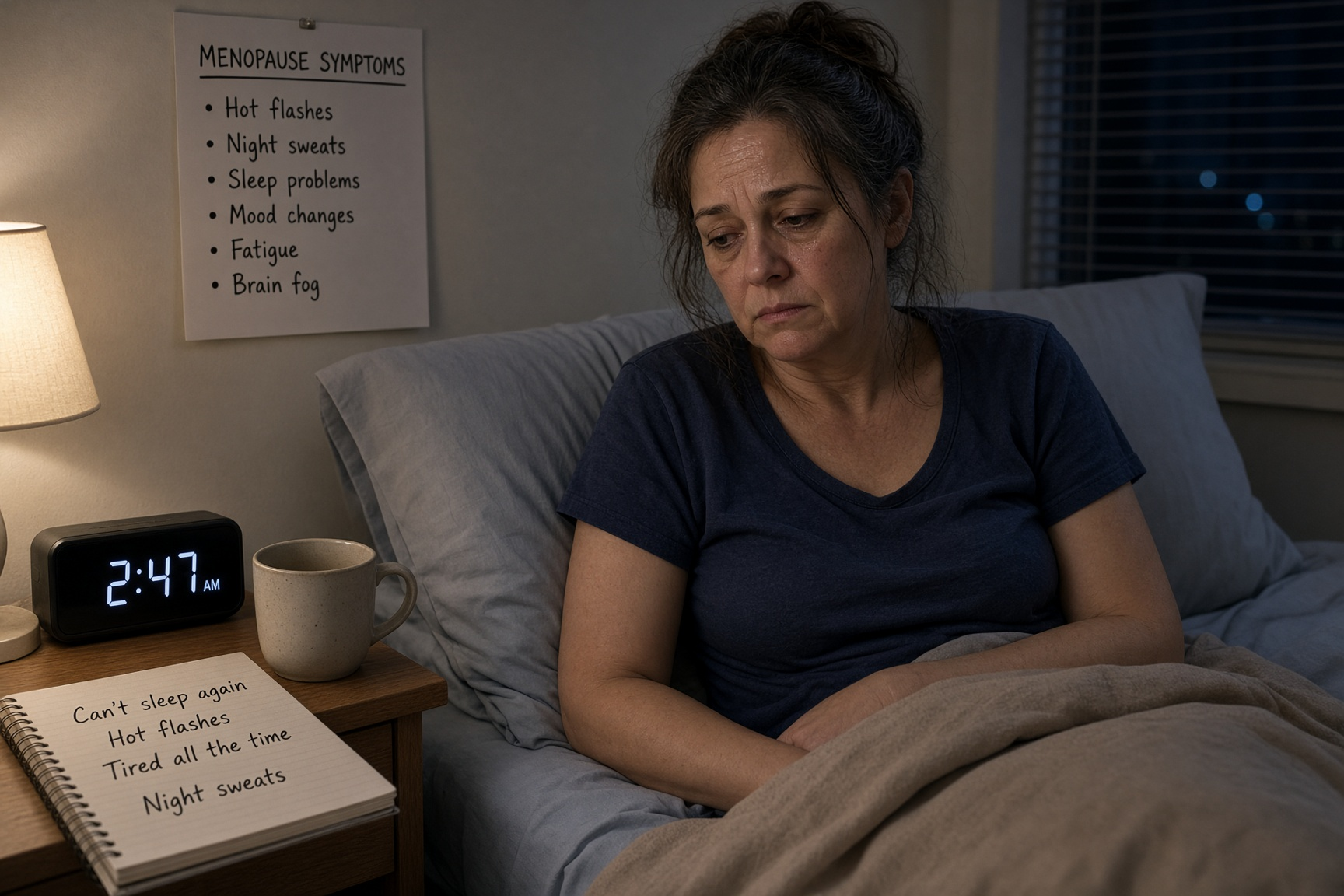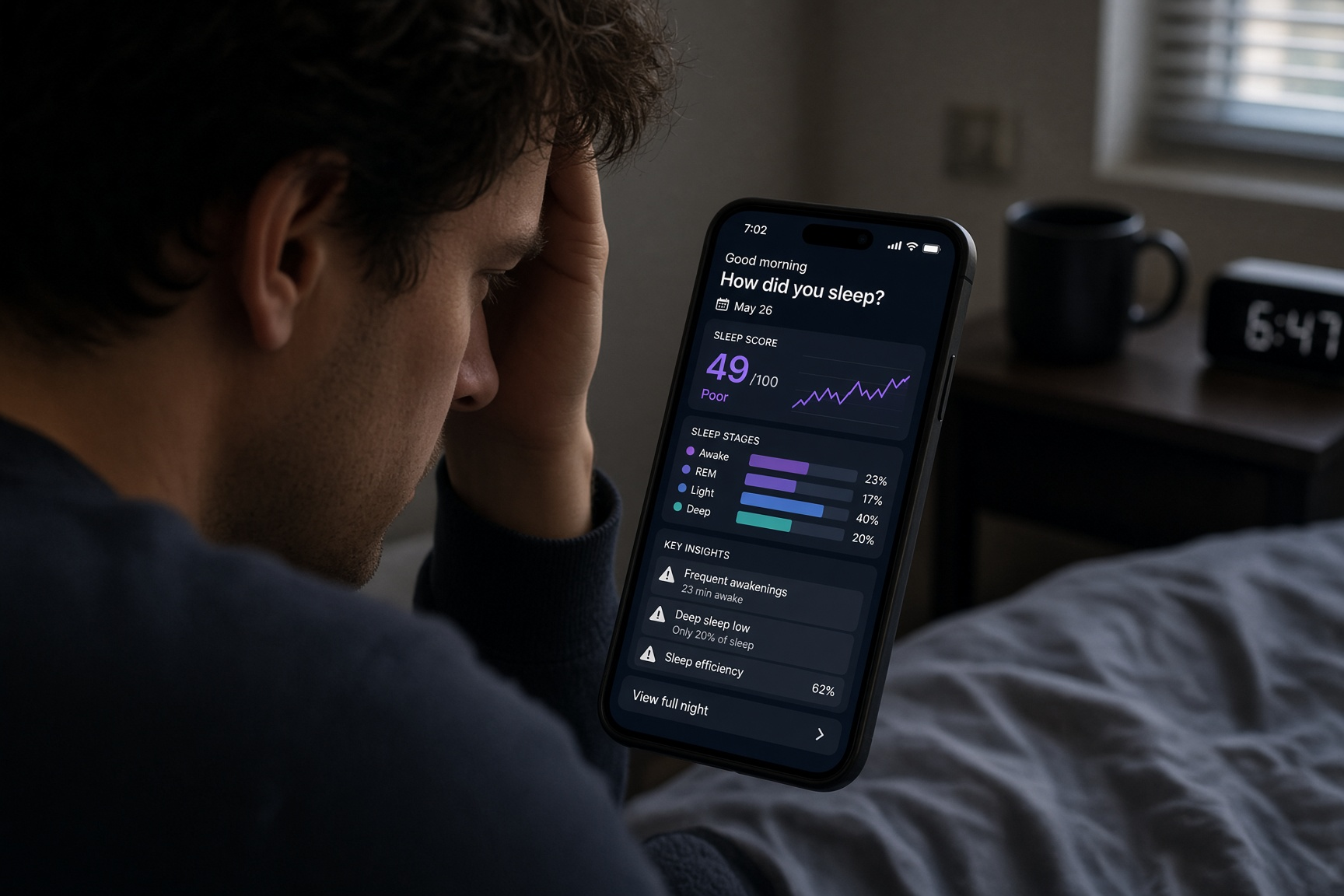
"Just get more sleep" is the advice everyone offers, and it's genuinely useless if you're already spending 7 or 8 hours in bed and still dragging through your day. When adequate time asleep doesn't translate into feeling rested, the problem usually isn't discipline, caffeine intake, or a mattress that needs replacing. It's an underlying medical cause that's either disrupting your sleep quality without your knowledge, or draining your energy through a completely separate mechanism.
Chronic fatigue is one of the most common reasons people see a doctor, and one of the hardest to pin down, because dozens of conditions can produce the same vague complaint: "I'm just always tired." Below are 12 of the most common medical causes, several of which are frequently missed for years before getting properly diagnosed.
1. Obstructive Sleep Apnea
This is, by a wide margin, the most common medical cause of unexplained fatigue that goes undiagnosed. Sleep apnea repeatedly interrupts your breathing overnight, fragmenting your sleep dozens or hundreds of times a night, often without you ever fully waking up or remembering it. You can spend a full 8 hours in bed and still wake up exhausted, because the quality of that sleep, not just the quantity, was compromised the entire night.
Clues it might be this: Loud snoring, witnessed breathing pauses, morning headaches, dry mouth on waking, waking to urinate frequently, and feeling sleepy during passive daytime activities. Our guide on sleep apnea symptoms and snoring vs. sleep apnea cover the specific warning signs in depth.
2. Iron Deficiency (With or Without Anemia)
Low iron is one of the most common, and most overlooked, causes of persistent fatigue, especially in women of reproductive age. Iron is essential for oxygen transport throughout the body, and even mild deficiency, before it progresses to full anemia, can cause significant tiredness, along with restless legs at night that further disrupt sleep.
Clues it might be this: Fatigue that doesn't improve with rest, pale skin, brittle nails, unusual cravings for ice or non-food items (a specific sign called pica), and restless or crawling sensations in your legs at night. A simple ferritin blood test, often missed on standard iron panels, can confirm this. Our guide on restless legs syndrome covers why iron deficiency is such a common, treatable driver of that condition specifically.
3. Hypothyroidism
An underactive thyroid slows down nearly every metabolic process in your body, and fatigue is one of its most consistent symptoms. Because hypothyroidism develops gradually, many people attribute the tiredness to aging, stress, or simply "being busy" for months or years before getting tested.
Clues it might be this: Fatigue paired with weight gain, feeling cold when others don't, dry skin, hair thinning, constipation, and low mood. A simple TSH blood test can screen for this, and treatment (thyroid hormone replacement) is usually straightforward once diagnosed.
4. Restless Legs Syndrome and Periodic Limb Movement Disorder
Restless legs syndrome causes an uncomfortable urge to move your legs, worst in the evening and at night, that can significantly delay falling asleep. Periodic limb movement disorder, often related but distinct, causes involuntary leg jerks throughout the night that fragment sleep without you being consciously aware of it. In both cases, you can be in bed for a full night's sleep and still wake up unrefreshed.
Clues it might be this: An urge to move your legs that's worse when resting and relieved by movement, or a bed partner who's noticed you kicking or twitching in your sleep. See our full guide to restless legs syndrome for the complete diagnostic picture and treatment options.
5. Chronic Insomnia With Nonrestorative Sleep
Not all insomnia looks like lying awake all night. Some people fall asleep and stay asleep for a reasonable number of hours but still wake up feeling like they didn't sleep at all. This is sometimes described as nonrestorative sleep, and it's a recognized feature of chronic insomnia even when total sleep time looks adequate on paper.
Clues it might be this: A racing mind at bedtime, difficulty falling or staying asleep at least three nights a week for three months or more, and daytime fatigue despite spending enough time in bed. Our guide on insomnia vs. sleep apnea can help you figure out which one better matches your pattern, and our guide to CBT-I covers the most effective treatment.
6. Depression
Fatigue is one of the core diagnostic symptoms of clinical depression, not just a side effect of feeling down. Depression disrupts sleep architecture directly, often causing early morning awakening, and it also drains physical and mental energy independent of how much you actually sleep.
Clues it might be this: Persistent low mood or loss of interest in activities you used to enjoy, changes in appetite, difficulty concentrating, and fatigue that doesn't improve even after what seems like adequate sleep. Depression and sleep disorders frequently coexist and can worsen each other, so evaluation for both is often warranted together.
7. Anxiety and Chronic Hyperarousal
Chronic anxiety keeps your nervous system in a persistent, low-grade "fight or flight" state, which is both mentally and physically exhausting. It also commonly disrupts sleep onset and sleep quality, creating a double hit: poor sleep on top of an already draining baseline of tension.
Clues it might be this: Persistent worry, physical tension, restlessness, difficulty relaxing even when you have free time, and a racing mind that makes falling asleep difficult. Fatigue from anxiety often feels different from physical tiredness, more like being "wired but exhausted" at the same time.
8. Narcolepsy and Idiopathic Hypersomnia
These are less common than the causes above, but they're also the most frequently misdiagnosed, often taking a decade or more to correctly identify. Both conditions cause a level of daytime sleepiness that goes well beyond ordinary tiredness: an overwhelming, sometimes irresistible need to sleep regardless of how much you slept the night before.
Clues it might be this: Sleep attacks that feel impossible to fight off, needing to nap multiple times a day, or, in narcolepsy specifically, sudden muscle weakness triggered by laughter or strong emotion (cataplexy). Our complete guide to narcolepsy covers the full symptom picture and the specific testing (an overnight sleep study followed by a Multiple Sleep Latency Test) required to diagnose it.
9. Type 2 Diabetes and Blood Sugar Dysregulation
Poorly controlled blood sugar, whether from diagnosed diabetes or undiagnosed insulin resistance, causes fatigue through several mechanisms: cells can't efficiently use glucose for energy, blood sugar swings create energy crashes, and diabetes itself increases the risk of sleep apnea and disrupted sleep, compounding the problem.
Clues it might be this: Fatigue combined with excessive thirst, frequent urination, blurred vision, or unexplained weight changes. A simple blood glucose or A1C test can screen for this.
10. Vitamin D Deficiency
Vitamin D plays a role in energy metabolism and muscle function, and deficiency, which is common, especially in people who get limited sun exposure, has been linked to fatigue in multiple studies. It's an easy thing to overlook because the symptoms are so nonspecific.
Clues it might be this: Generalized fatigue, muscle aches or weakness, and low mood, especially if you spend most of your time indoors or live somewhere with limited sunlight for much of the year. A blood test can confirm deficiency, and supplementation is typically straightforward.
11. Medication Side Effects
A wide range of common medications list fatigue or drowsiness as a side effect, and the connection is often missed because the medication was started for an unrelated reason, sometimes months or years earlier. Common culprits include certain blood pressure medications (particularly beta blockers), antihistamines, some antidepressants, muscle relaxants, and anti-anxiety medications.
Clues it might be this: Fatigue that started or worsened around the time you began a new medication or had a dose increased. Review your medication list with your doctor or pharmacist rather than assuming a new prescription couldn't be the cause.
12. Chronic Fatigue Syndrome (ME/CFS)
Myalgic encephalomyelitis/chronic fatigue syndrome is a distinct medical condition characterized by profound fatigue that doesn't improve with rest and worsens after physical or mental exertion, a hallmark feature called post-exertional malaise. It's a diagnosis of exclusion, meaning other causes (including the ones above) need to be ruled out first, but it's a real, recognized condition, not simply unexplained tiredness.
Clues it might be this: Fatigue lasting more than six months, unrefreshing sleep, cognitive difficulties ("brain fog"), and a distinctive pattern of symptoms worsening for a day or more after activities that wouldn't have been tiring before.
When to See a Doctor
Persistent fatigue is worth evaluating, not living with, especially if:
- It's lasted more than a few weeks despite adequate sleep
- It's affecting your work, relationships, or safety (for example, drowsy driving)
- It's accompanied by other symptoms: weight changes, mood changes, pain, or changes in appetite or thirst
- You have risk factors for sleep apnea (snoring, witnessed breathing pauses, excess weight, high blood pressure)
- Something feels different from ordinary tiredness, more profound, more persistent, or unresponsive to rest
How Doctors Narrow It Down
Because so many conditions overlap in their presentation, working through unexplained fatigue usually starts with a few standard steps:
- A detailed history, including your sleep schedule, sleep quality, mood, stress levels, medications, and any other symptoms
- Basic blood work, typically including a complete blood count, iron studies/ferritin, thyroid function (TSH), blood glucose or A1C, and vitamin D
- A sleep-specific evaluation if your history suggests a sleep disorder, snoring, witnessed pauses, restless legs, or excessive daytime sleepiness beyond what your sleep duration would explain
- A sleep study, if sleep apnea, narcolepsy, or periodic limb movement disorder is suspected, since these can only be confirmed through objective overnight testing
The Bottom Line
"Just get more sleep" assumes the problem is quantity, when for a huge number of chronically tired people, it's actually quality, or an entirely separate medical condition unrelated to sleep at all. From sleep apnea and restless legs syndrome to thyroid dysfunction, iron deficiency, and mood disorders, the causes of persistent fatigue are numerous, mostly treatable, and frequently missed for far longer than they should be.
If you're tired all the time despite reasonable sleep habits, that's not a personal failing, it's a signal worth investigating properly rather than pushing through indefinitely.
Think a sleep disorder might be the cause? Use our sleep clinic directory to find an accredited sleep center near you and get a proper evaluation.
Written by
Daniel Marin
Sharing insights on sleep health and wellness to help you achieve better rest and improved quality of life.